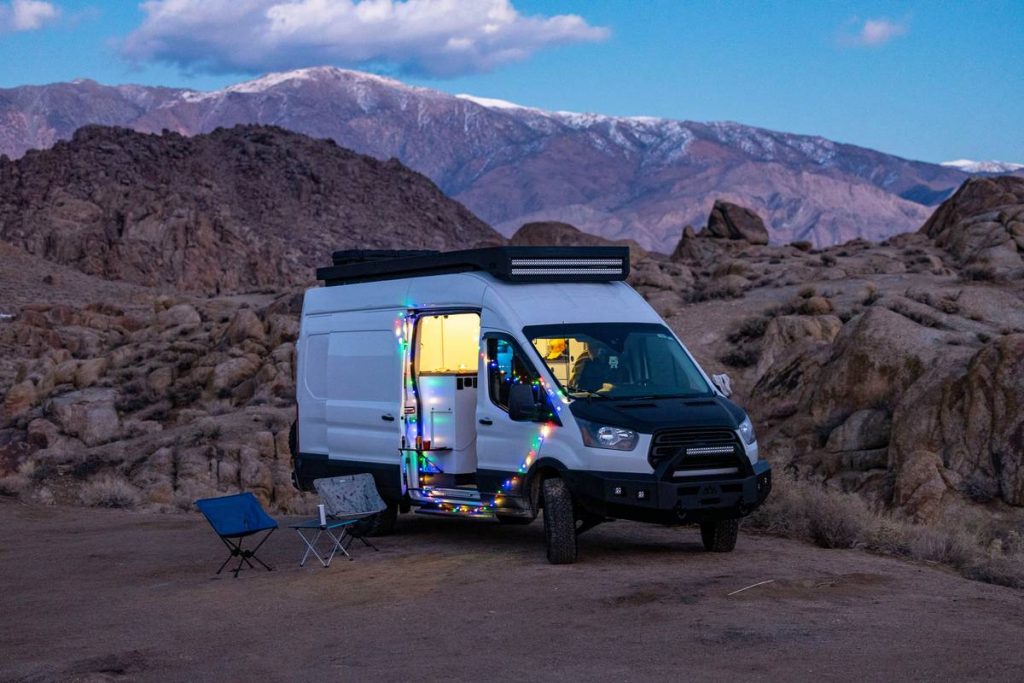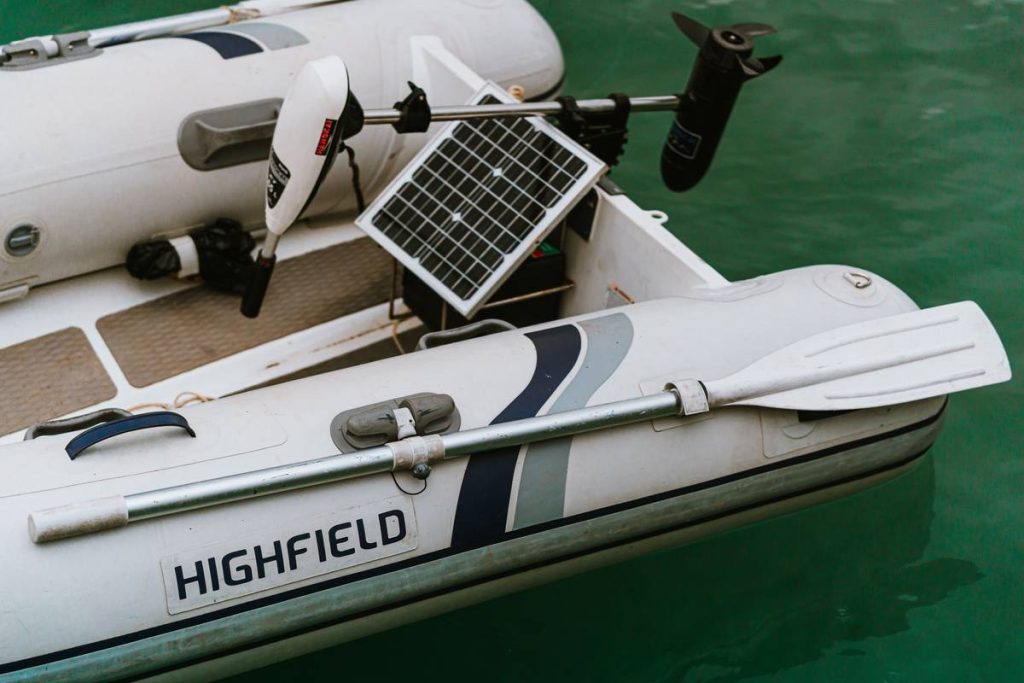
Ever stared at your wonky RV roof, curved shed, or that weirdly angled patio and thought, “There’s no way a rigid solar panel fits here—unless I break out the angle grinder?” Yeah. Me too. And then I almost drilled through my kayak trying to mount a standard panel like an overconfident DIYer with zero marine-grade foresight.
If you’ve been told solar only works on flat roofs with perfect southern exposure—you’ve been sold a myth. Enter versatile flexible panel solar you can actually bend, curve, stick, and trust—even when rain, wind, or your dog’s enthusiastic tail-wagging throws chaos into the mix.
In this post, we’ll unpack why flexible solar isn’t just for boaters and van-lifers anymore. You’ll learn how they work (spoiler: it’s not magic—it’s monocrystalline thin-film physics), where they shine (and where they *don’t*), real-world installs that saved homeowners hundreds, and the one “flexible” panel scam that made me rage-quit Amazon reviews for a week.
Table of Contents
- Why Rigid Panels Fail Where Life Gets Curvy
- How to Choose & Install Your Own Flexible Solar Setup
- 5 Pro Tips That Prevent Costly Meltdowns
- Real Homes, Real Results: From Campers to Coastal Cabins
- FAQs: Busting Myths About Flexible Solar
Key Takeaways
- Flexible solar panels use ETFE-laminated monocrystalline cells—not cheap amorphous junk—and can bend up to 30° without cracking.
- They’re ideal for curved surfaces (RVs, boats, domes) but lose ~10–15% efficiency vs. rigid panels in full sun—plan accordingly.
- Never install them directly on heat-trapping surfaces like metal roofs without airflow; temps above 80°C degrade output fast.
- Top brands like Renogy, Eco-Worthy, and Solbian meet IEC 61215 durability standards—avoid no-name $99 “bendable” panels on eBay.
- You can wire them into existing home systems—but only with proper charge controllers rated for their voltage curves.
Why Rigid Panels Fail Where Life Gets Curvy
Standard solar panels are built like tempered glass sandwiches—durable, efficient, and absolutely inflexible. Try mounting one on a fiberglass camper shell or a sailboat cabin top, and you’re either drilling stress fractures or playing Jenga with mounting brackets. I learned this the hard way after a cross-country road trip left me with a cracked panel and $427 in FedEx fees to return it. (Pro tip: measure your surface curvature before ordering.)
Flexible solar solves this by ditching the glass. Instead, high-end models encase monocrystalline cells in ethylene tetrafluoroethylene (ETFE)—the same aerospace-grade polymer used on the Beijing National Aquatics Center (“Water Cube”). This material resists UV degradation, salt spray, and temperatures from -40°F to 185°F. Crucially, it allows panels to conform to radii as tight as 12 inches.

According to NREL’s 2023 field study, quality flexible panels retain >85% of their rated output after 5 years—even under constant vibration on marine vessels. But buyer beware: not all “flexible” panels are created equal. Some use amorphous silicon (a-Si), which degrades faster and delivers half the wattage per sq. ft. Stick to monocrystalline-based ETFE models if you want longevity.
How to Choose & Install Your Own Flexible Solar Setup
What’s the right wattage for my needs?
Start with your daily energy draw. Power a 12V fridge (50Ah/day)? You’ll need ~200W minimum in peak sun. Running LED lights and phone charging off-grid? 100W might suffice. Use a reputable solar calculator—not that sketchy one embedded in a Shopify store’s footer.
Can I glue these to any surface?
Optimist You: “Just peel and stick!”
Grumpy You: “Glue = trapped heat = 🔥. Only use adhesive if your substrate is non-porous AND has ventilation gaps.”
Reality: Most flexible panels come with grommets for mechanical mounting. For rubber roofs (like on vans), use 3M VHB tape + perimeter sealant. Never fully encapsulate—they need airflow to dissipate heat.
Do I need special wiring?
Yes. Flexible panels often have higher open-circuit voltage (Voc) than rigid equivalents. Pair them with an MPPT charge controller—not PWM—to avoid losing 20–30% of potential harvest. I fried two AGM batteries using a $20 PWM controller; don’t be like Past Me.
5 Pro Tips That Prevent Costly Meltdowns
- Avoid walking on them. Even “walkable” flexible panels aren’t rated for repeated foot traffic. One misplaced boot = microcracks = dead cells. Use designated walkways.
- Clean with soft brushes only. No pressure washers! ETFE scratches easier than smartphone screens. Distilled water + microfiber cloth = happy panel.
- Pitch matters. On flat surfaces, tilt panels 10–15° for self-cleaning runoff. Stagnant rainwater leaves mineral deposits that block light.
- Check fire ratings. UL 1703 certification is non-negotiable for home installations. Many marine-grade panels skip this—fine for boats, illegal for rooftops.
- Beware of “flexible” scams. If it costs less than $1/Watt and claims 22% efficiency? It’s lying. Real ETFE mono panels cost $1.80–$2.50/W.
Real Homes, Real Results: From Campers to Coastal Cabins
Case Study 1: The Portland Tiny House
Sarah K., a Portland-based architect, installed 320W of Renogy flexible panels on her curved-roof tiny home. “Rigid panels would’ve required custom framing—adding $1,200,” she shared. After 18 months, her system averages 1.8 kWh/day in winter (Pacific Northwest gloom included). Efficiency loss vs. rigid? Just 9%—well within spec.
Case Study 2: Florida Sailboat Retrofit
Captain Mike wired four 150W Solbian panels onto his 36’ sloop’s bimini top. Salt corrosion destroyed his old rigid setup in 2 years. The flexible ETFE version? Still humming after 4 years, with only seasonal cleaning. Output checks: annual degradation under 1.2%—beating NREL’s 1.5% benchmark for marine environments.
FAQs: Busting Myths About Flexible Solar
Do flexible solar panels work in cloudy weather?
Yes—but so do rigid ones. All solar panels produce 10–25% of rated output under heavy cloud cover. Monocrystalline flexible panels actually outperform amorphous types here due to better low-light response.
Can I install them on my home roof?
Only if it’s non-standard (e.g., barrel tile, thatched, or severely curved). For flat or gently sloped asphalt shingle roofs, rigid panels remain more cost-effective and efficient. Check local fire codes first!
How long do they last?
Quality ETFE flexible panels carry 25-year linear performance warranties (e.g., Solbian SBx series). Real-world data shows 80% output retention at year 20—on par with mid-tier rigid panels.
Are they waterproof?
IP67-rated models resist immersion up to 1m for 30 mins—ideal for boat decks. But seams around junction boxes can fail if improperly sealed. Always use dielectric grease on connectors.
Conclusion
Versatile flexible panel solar you can trust isn’t sci-fi—it’s smart engineering meeting real-world constraints. Whether you’re powering a remote greenhouse, a weekend camper, or a coastal shed with zero flat surfaces, these panels deliver reliable juice where rigid ones simply can’t go.
Just remember: prioritize monocrystalline cells, ETFE lamination, and proper thermal management. Skip the bargain-bin junk, wire correctly, and you’ll harvest sunlight for decades—even on the curviest corners of your property.
Like a 2003 Motorola Razr, some things bend without breaking. Your solar dream shouldn’t snap under pressure.
Haiku:
Sun bends with your roof,
Silent watts flow through thin skin—
Clouds can’t dim this hope.