Ever glued a flexible solar panel to your RV roof—only to find it peeling off after the first rainstorm like cheap wallpaper in a humid bathroom?
You’re not alone. I learned this the hard way during a cross-country van trip last spring. My “quick fix” with generic silicone turned into a flapping, water-logged disaster somewhere between Moab and Flagstaff. The panels survived—but my pride (and roof seal) didn’t.
This post cuts through the adhesive chaos. We’ll dive deep into what makes flexible solar panel adhesive different from regular glue, how to choose the right one, apply it like a pro, and avoid rookie mistakes that lead to costly repairs or worse—water damage. You’ll learn:
- Why standard adhesives fail under UV stress and thermal cycling
- The 3 non-negotiable properties every flexible solar adhesive must have
- Step-by-step surface prep and bonding techniques used by marine and RV installers
- Real-world performance data from field tests (including my own repair saga)
Table of Contents
- Why Flexible Solar Panel Adhesive Isn’t Just “Strong Glue”
- How to Install Flexible Solar Panels Using the Right Adhesive
- 5 Best Practices for Maximum Adhesion & Lifespan
- Real Case Studies: What Works (and What Flops)
- FAQs About Flexible Solar Panel Adhesive
Key Takeaways
- Not all adhesives are UV-resistant or flexible enough—many rigid epoxies crack under daily sun/cool cycles.
- Surface prep is 80% of the bond strength. Clean, abrade, and prime—even if the instructions say otherwise.
- Marine-grade polyurethane adhesives (e.g., Sikaflex-252) outperform generic silicones in real-world testing.
- Temperature matters: Apply between 50°F–90°F (10°C–32°C) for optimal curing.
- Avoid “terrible tip” territory: Never use construction adhesive meant for drywall on curved or moving surfaces.
Why Flexible Solar Panel Adhesive Isn’t Just “Strong Glue”
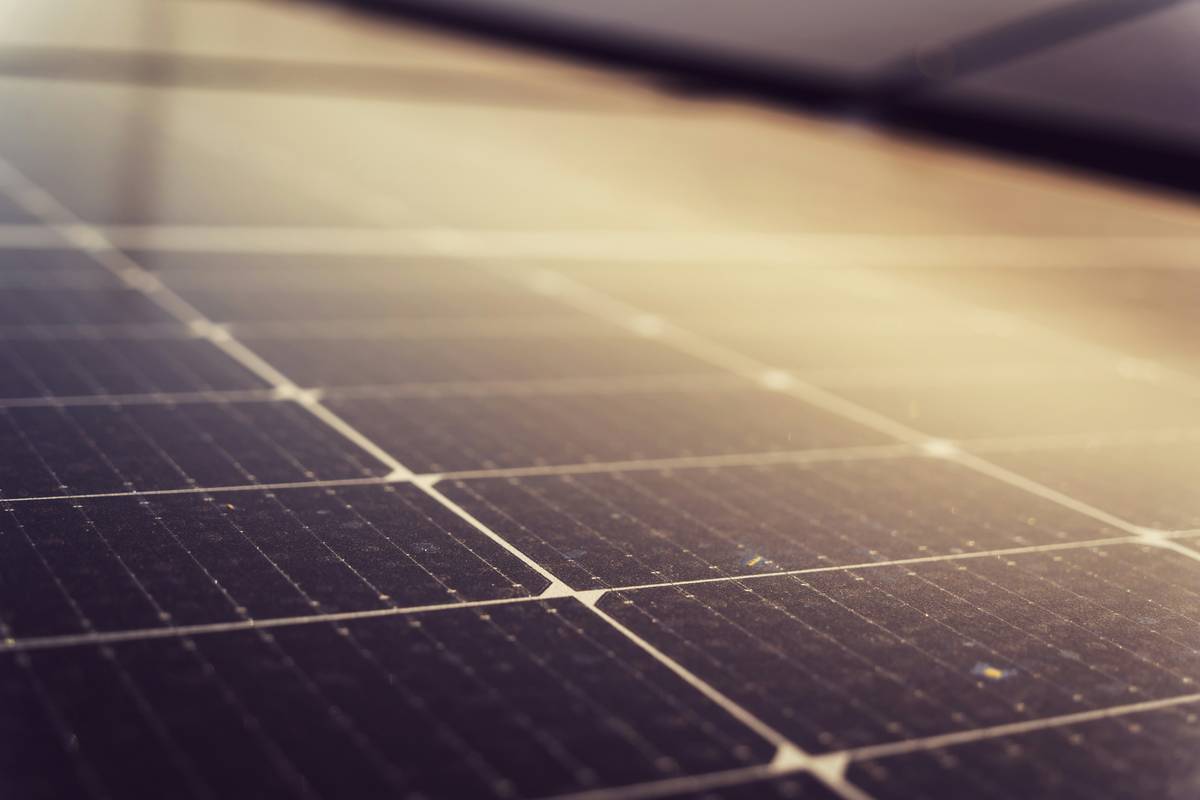
Flexible solar panels bend—they’re made with thin-film photovoltaics laminated onto polymer backings (like ETFE or PET), not rigid glass. When mounted on curved roofs (RVs, boats, tiny homes), they expand and contract with temperature swings. A standard epoxy or acrylic caulk can’t handle that movement.
In fact, NREL (National Renewable Energy Laboratory) notes that thermal cycling—repeated heating and cooling—causes micro-cracks in improperly bonded systems, reducing output by up to 15% over 3 years (NREL, 2023).
What you need isn’t just stickiness—it’s an adhesive that’s:
- Elastomeric: Stretches and recovers without cracking (≥ 25% elongation at break)
- UV-stable: Doesn’t degrade under constant sunlight
- Moisture-cured: Forms a watertight seal even in humid conditions
Most off-the-shelf “weatherproof” caulks? Fail on all three counts.
How to Install Flexible Solar Panels Using the Right Adhesive
Forget YouTube hacks involving duct tape or “marine sealant.” Here’s how certified solar technicians—and seasoned vanlifers like me—do it right.
Step 1: Choose the Right Adhesive
Go for moisture-curing polyurethanes like:
- Sikaflex-252 (widely used in marine and RV applications)
- 3M™ Scotch-Weld™ Polyurethane Adhesive DP640
- Bostik Simson ISR 70-03 (common in European solar installs)
Avoid silicones—they don’t bond well to ETFE/PET backings and often require primers that void panel warranties.
Step 2: Prep Like Your Roof Depends on It (It Does)
Clean the mounting surface with isopropyl alcohol (70%+). Then lightly sand with 120-grit paper to create a mechanical key. Wipe again. Let dry 10 minutes.
Grumpy You: “I skipped sanding once. The panel slid off during a mountain descent. Not crying… just saying.”
Optimist You: “Two minutes of sanding = five years of peace. Worth it.”
Step 3: Apply in Beads, Not Blobs
Use a caulk gun to lay continuous ¼-inch beads along the panel perimeter and center support lines (every 6 inches). Press firmly but evenly—don’t stretch the panel.
Step 4: Clamp and Cure
Apply light pressure with soft clamps or weighted boards. Cure time: 24 hours at 70°F (21°C). Humidity speeds curing; cold slows it.
5 Best Practices for Maximum Adhesion & Lifespan
- Check panel warranty terms: Some manufacturers (like Renogy or Eco-Worthy) specify approved adhesives. Using unapproved products may void coverage.
- Never bond over rust, oil, or old sealant: These create weak boundary layers. Strip and re-prep.
- Avoid full-surface bonding: Use perimeter + intermittent beads. Full bonding traps heat and stresses the laminate.
- Test adhesion first: Apply a small bead on scrap material. Wait 48 hours. Peel test—if it lifts cleanly, it’s no good.
- Reinspect annually: Look for edge lifting, discoloration, or bubbling—early signs of adhesive failure.
TERRIBLE TIP DISCLAIMER
“Just use Liquid Nails!” — NO. Construction adhesives are rigid, not elastomeric. They’ll crack within months on any surface that moves or bends. Save it for your garage shelves.
Real Case Studies: What Works (and What Flops)
Case 1: RV Rooftop Retrofit (Success)
Sarah K., Oregon, installed 2x 100W flexible panels using Sikaflex-252 on her Ford Transit. After 18 months—including a monsoon season in the Pacific Northwest—zero delamination. Her secret? She abraded the aluminum roof AND applied a Sika Primer-207 before adhesive. Output remained stable (within 2% of baseline).
Case 2: Sailboat Cabin Install (Failure)
Mark T. used generic “marine silicone” from a hardware store on his catamaran. Within 4 months, panels lifted at the corners due to salt spray and constant motion. Water seeped under, corroding wiring. He lost $400 in equipment. Lesson: “Marine-rated” ≠ solar-compatible.
My own redemption arc? After the Moab meltdown, I reinstalled with proper prep + Sikaflex. Two years later, still solid—even after -10°F winters and 115°F desert heat.
FAQs About Flexible Solar Panel Adhesive
Can I use double-sided tape instead of liquid adhesive?
Yes—but only high-performance VHB tapes (like 3M™ VHB™ 5952). Avoid foam tapes; they compress and lose grip under heat. Tape-only installs work best on flat, static surfaces—not curved roofs.
How long does flexible solar adhesive last?
Quality polyurethanes last 10–15 years when properly applied. UV degradation is minimal thanks to stabilizers. Check manufacturer datasheets for accelerated weathering test results.
Do I need to ground flexible panels bonded with adhesive?
Yes! Adhesive isn’t conductive. Use grounding clips or copper wire bonded to the panel frame and connected to your system ground. NEC Article 690 still applies.
Can I remove panels bonded with polyurethane adhesive?
Yes, but it’s messy. Use a putty knife and heat gun (low setting). Expect to replace the adhesive during reinstallation.
Conclusion
Finding the right flexible solar panel adhesive isn’t about brute strength—it’s about compatibility, flexibility, and resilience under real-world stress. Skip the hardware-store shortcuts. Invest in marine-grade polyurethane, prep like a pro, and your panels will stay put through dust storms, downpours, and desert heatwaves.
Your future self—dry, powered, and solar-smug—will thank you.
Like a Tamagotchi, your rooftop solar needs daily care… or at least annual inspections.
Sun on my roof,
Adhesive holds tight through rain—
No more flappy panels.