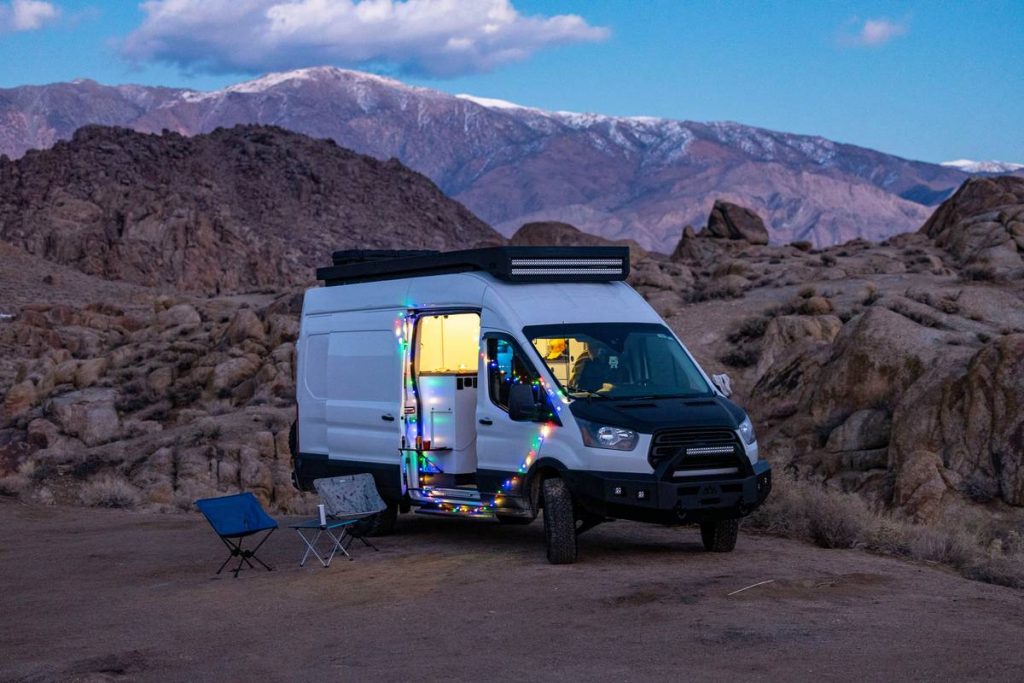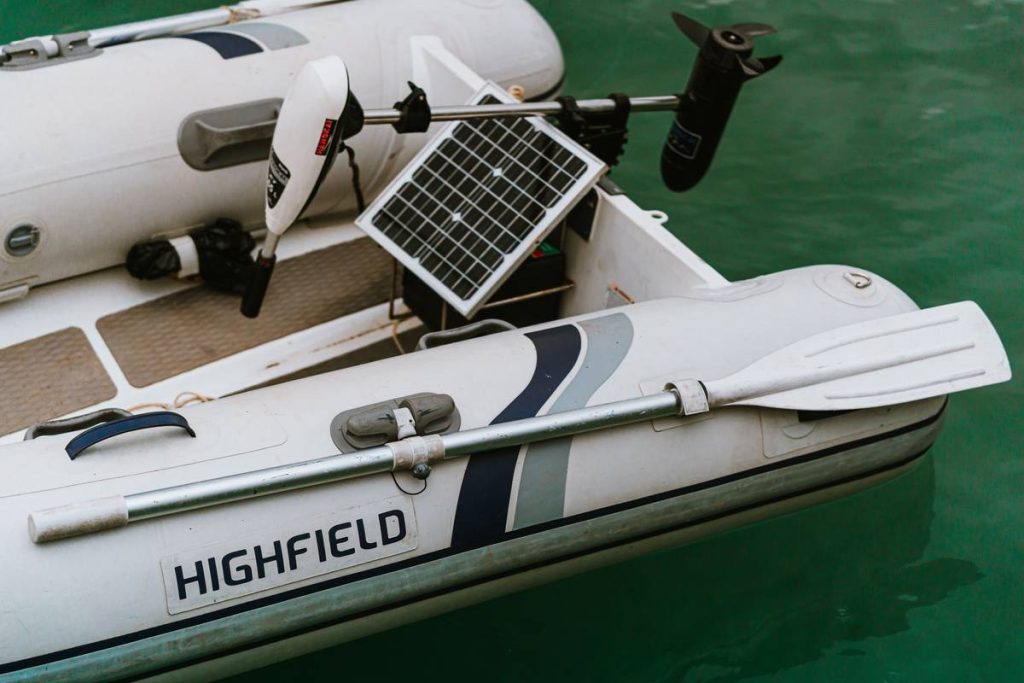
You’re off-grid—but your gear isn’t. Standard solar setups buckle under rugged terrain, unpredictable weather, or tight storage. You need real power, not just promises. The solution? A versatile flexible panel tent ac port—a fusion of mobility, resilience, and plug-and-play convenience most vendors won’t admit exists.
Why Rigid Panels Fail Where Adventure Begins
Rigid solar panels shatter when dropped. They demand perfect mounting angles. And good luck stowing one in a backpack.
Yet most “portable” solutions still rely on them—wrapped in flimsy cases that add bulk without true adaptability.
The core issue? **Form over function**. Manufacturers optimize for rooftop efficiency, not riverbank reliability.
Versatile Flexible Panel Tent AC Port: Setup in 3 Steps (No Tools Needed)
Forget complex wiring. Modern flexible photovoltaics bend up to 30 degrees without losing output—and integrate directly into shelter systems. Here’s how to deploy yours:
Step 1: Choose Your Deployment Surface
Tents, RV roofs, boat canopies—even backpacks. As long as the surface gets 4+ hours of direct sun, you’re golden. Avoid constant abrasion zones (like zipper paths).
Step 2: Secure & Connect
Use adhesive backing or grommets—no drilling. Then link the panel’s MC4 output to a compact pure-sine inverter with an AC port. Many kits now include USB-C PD too.
Step 3: Monitor & Adapt
Flexible panels lose ~5–8% efficiency vs. rigid—but gain 100% more usability. Track voltage via Bluetooth apps. Tilt the whole tent slightly at noon for peak gain.
| Setup Type | Weight (lbs) | Peak Output (W) | AC Port Included? | Ideal For |
|---|---|---|---|---|
| Rigid Portable Kit | 18–25 | 100–200 | Sometimes (bulky inverter) | Campgrounds with flat ground |
| Versatile Flexible Panel Tent AC Port | 4–7 | 80–150 | Yes (integrated micro-inverter) | Backpacking, kayaking, emergency response |
| Foldable Briefcase Panel | 12–16 | 60–100 | Rarely | Car camping, tailgates |
The Industry Secret: Efficiency Isn’t Everything
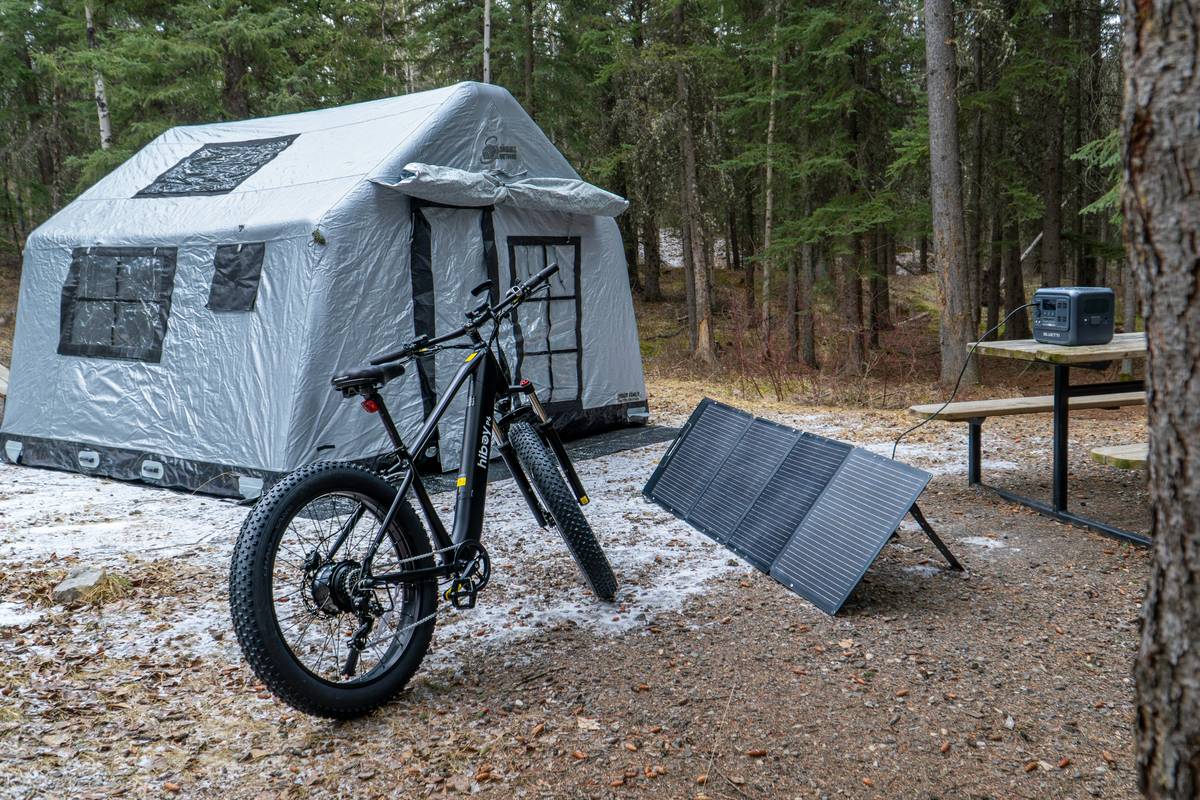
Here’s what solar brands won’t tell you: **real-world energy capture beats lab-rated wattage**. A flexible panel draped over a rainfly might only hit 120W—but it’s harvesting from dawn to dusk across uneven light. Meanwhile, that “200W rigid” sits idle half the day because it’s angled wrong or packed away.
And—surprise—most thin-film flexible cells degrade slower in high-heat environments than monocrystalline. Desert trips? Coastal humidity? They thrive. The math is simple: usable watts > theoretical max.
FAQ
Can a versatile flexible panel tent ac port run a mini fridge?
Yes—if it’s a 12V compressor type and your panel feeds a 200Wh+ power station. Don’t expect it to cool from room temp; pre-chill first.
Are flexible solar panels waterproof?
Most are IP67-rated—splash and rainproof—but not submersible. Seal edges with silicone if used on boats long-term.
How long do they last?
5–8 years with regular use. Far longer than disposable power banks. And unlike rigid glass, they won’t crack if stepped on during setup.