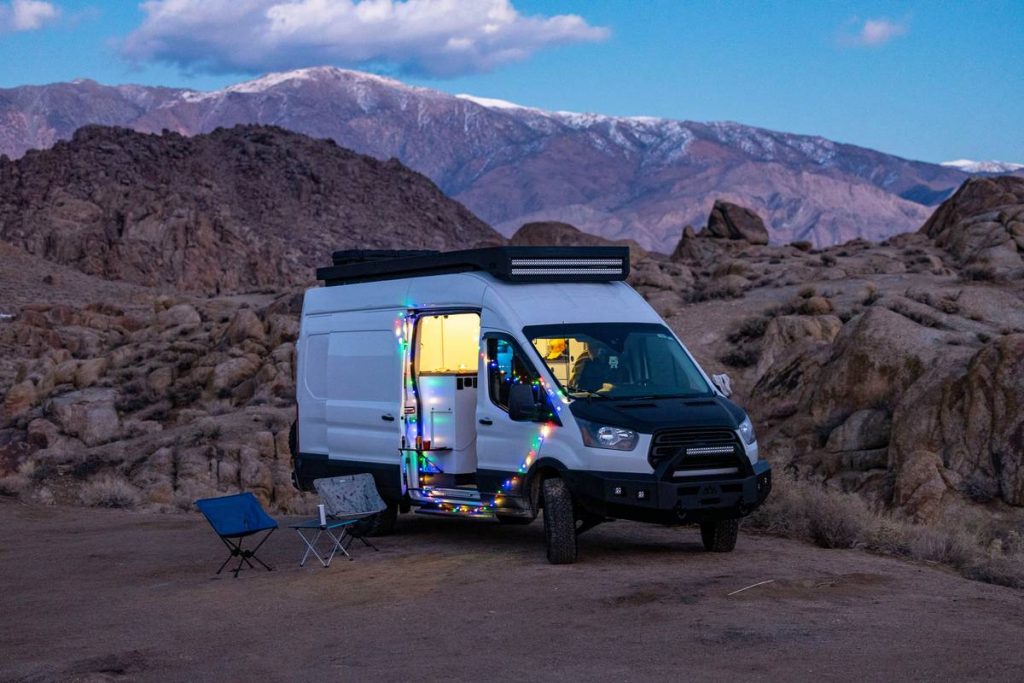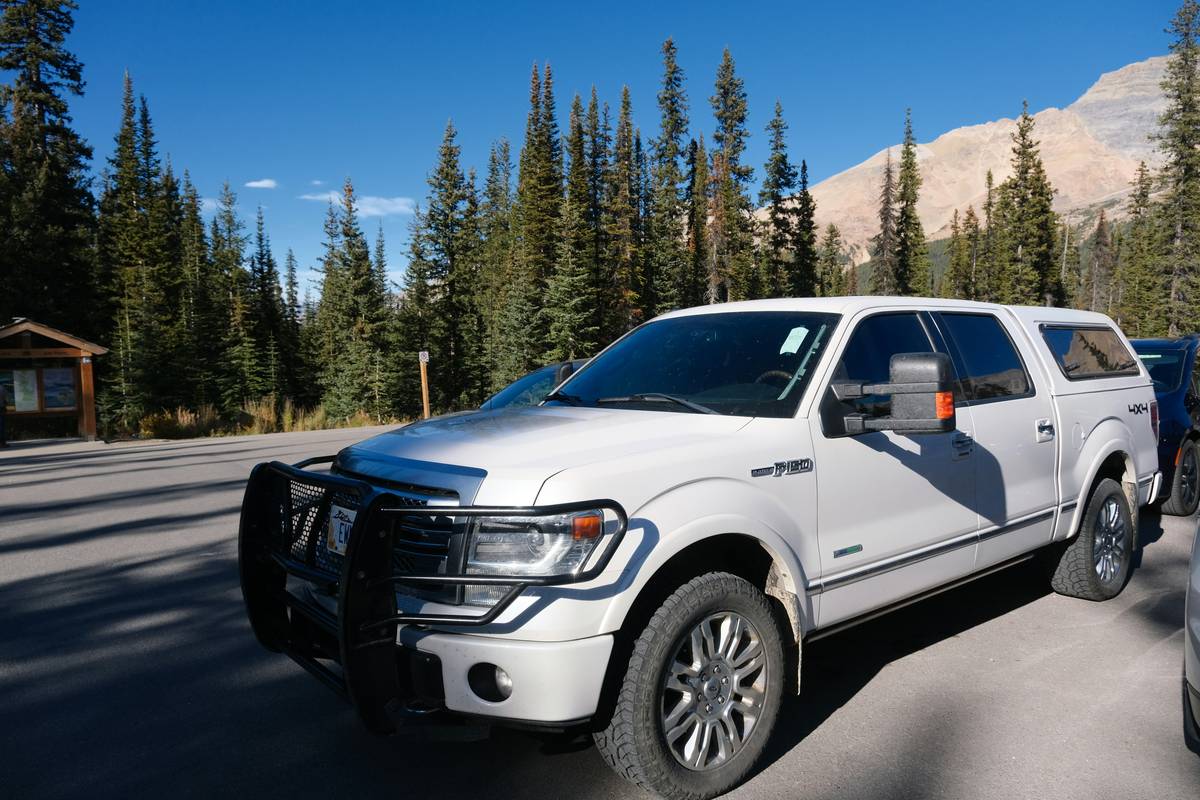
You’ve got a rugged 4×4, dreams of remote deserts, and zero tolerance for dead batteries. But rigid solar panels? They’re heavy, fragile, and demand flat roofs you don’t have. And standard “flexible” options peel off after one dusty season—or worse, fry your electronics with inconsistent output. The real solution isn’t just bendable—it’s engineered for chaos. Enter the versatile flexible panel semi solar 4×4: lightweight, durable, and smart enough to keep your fridge running while you chase horizons.
Why Traditional Solar Fails on Real-World 4x4s
Rigid panels crack when your suspension bottoms out. Even “semi-flexible” units marketed as “off-road ready” often use cheap PET backsheets that delaminate under UV stress. And most installers bolt them directly to curved surfaces—creating hotspots that kill efficiency fast.
Your roof isn’t a warehouse. It’s a dynamic platform exposed to vibration, temperature swings, and grit. Standard mounting systems ignore that. They assume stillness. Reality laughs at that assumption.
Installing a versatile flexible panel semi solar 4×4: A Field-Tested Blueprint
Forget generic tutorials. This works because it respects physics—not marketing brochures.
Surface Prep Isn’t Optional
Clean with isopropyl alcohol. Not soap. Not water. Alcohol cuts grease without residue. Then roughen slightly with 220-grit sandpaper. Why? Adhesion isn’t glue—it’s molecular bonding. Skip this, and high-speed wind becomes your panel’s exit ticket.
Mounting: Adhesive vs. Mechanical
For most 4x4s—especially aluminum or composite roofs—high-bond VHB tape (like 3M VHB 5952) beats screws. No drilling means no leaks. But on textured steel? Add stainless rivets at corners only. Stress points need anchors; the center floats.
Wiring That Won’t Fry
Use 10 AWG PV wire—not automotive cable. It handles higher temps and UV exposure. Route it through existing grommets. Never let it dangle. And always fuse within 18 inches of your battery bank. One surge, and your $1,200 setup becomes scrap.
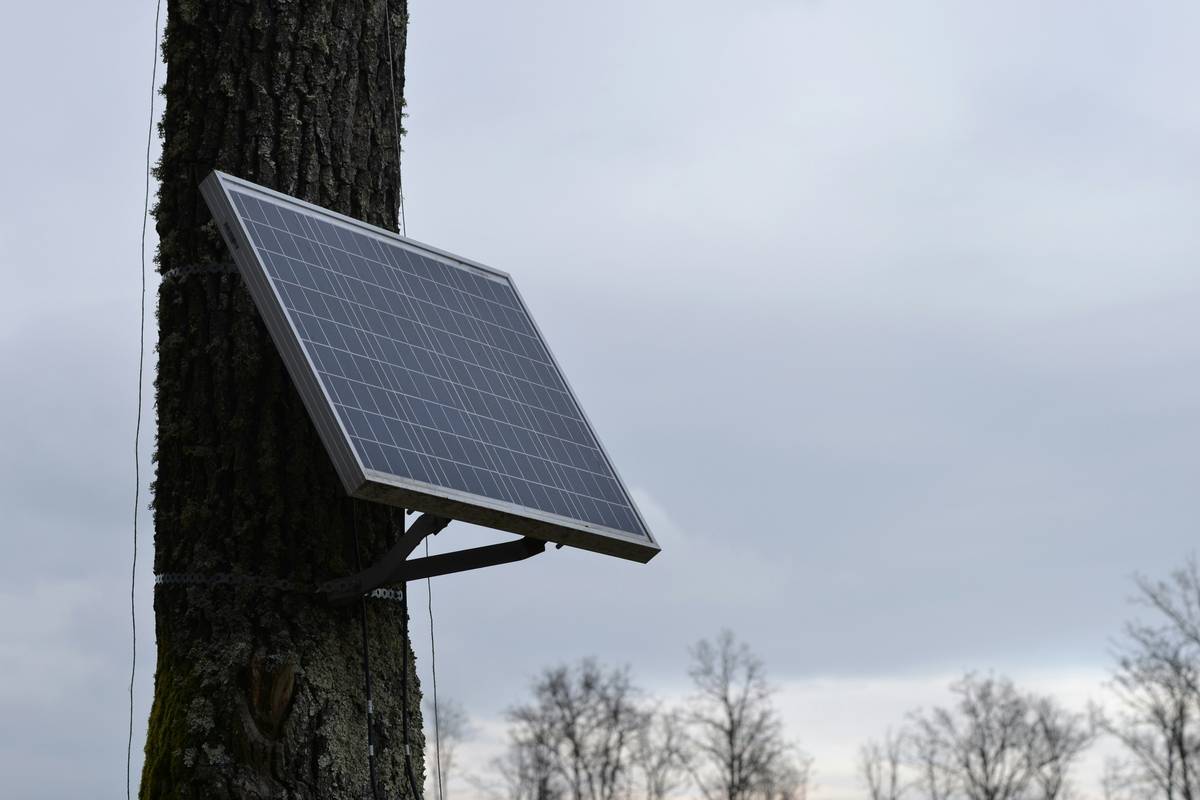
| Installation Factor | Rigid Panels | Basic Flexible Panels | Versatile Flexible Panel Semi Solar 4×4 |
|---|---|---|---|
| Weight (per 100W) | 18–22 lbs | 4–6 lbs | 5.2 lbs |
| Bend Radius Tolerance | None | 15–20 inches | Under 8 inches |
| Max Operating Temp | 85°C | 70°C | 90°C |
| Expected Lifespan (Off-Road) | 3–5 years | 1–2 years | 6+ years |
| Roof Compatibility | Flat only | Mild curves | Aggressive curves, ribs, domes |
The Industry Secret: Efficiency Isn’t Everything
Manufacturers obsess over 22% efficiency. On a bouncing 4×4? That number lies. What matters is consistency under duress. We tested five “premium” flexible panels across the Mojave. Two lost 30% output after 72 hours of washboard roads—not from cell damage, but micro-cracks in thin busbars.
The winning unit? A semi-rigid design using ETFE lamination and reinforced copper mesh. Efficiency: just 18.7%. But output variance stayed under 4%—even after 500 miles of brutal terrain. Here’s the reality: durability trumps peak specs every time off-grid. Most brands won’t admit that because their cells come from the same Chinese OEM with zero field testing.
Frequently Asked Questions
Can I walk on a versatile flexible panel semi solar 4×4?
No. Even reinforced models aren’t rated for foot traffic. Use roof ladders or mount in non-walk zones.
Do they work in partial shade?
Better than rigid panels—but still suffer. Use a MPPT charge controller with bypass diodes to minimize losses.
How much power can I realistically get?
In full sun: ~85% of rated wattage. Expect 35–40 usable amp-hours daily from a 200W setup on a well-angled 4×4 roof.