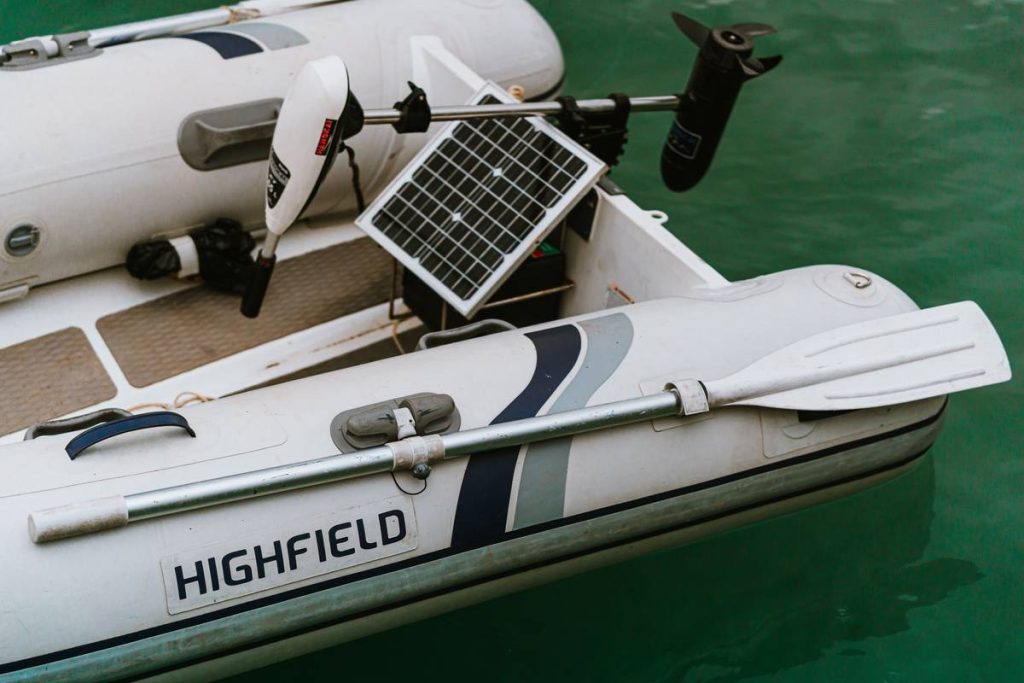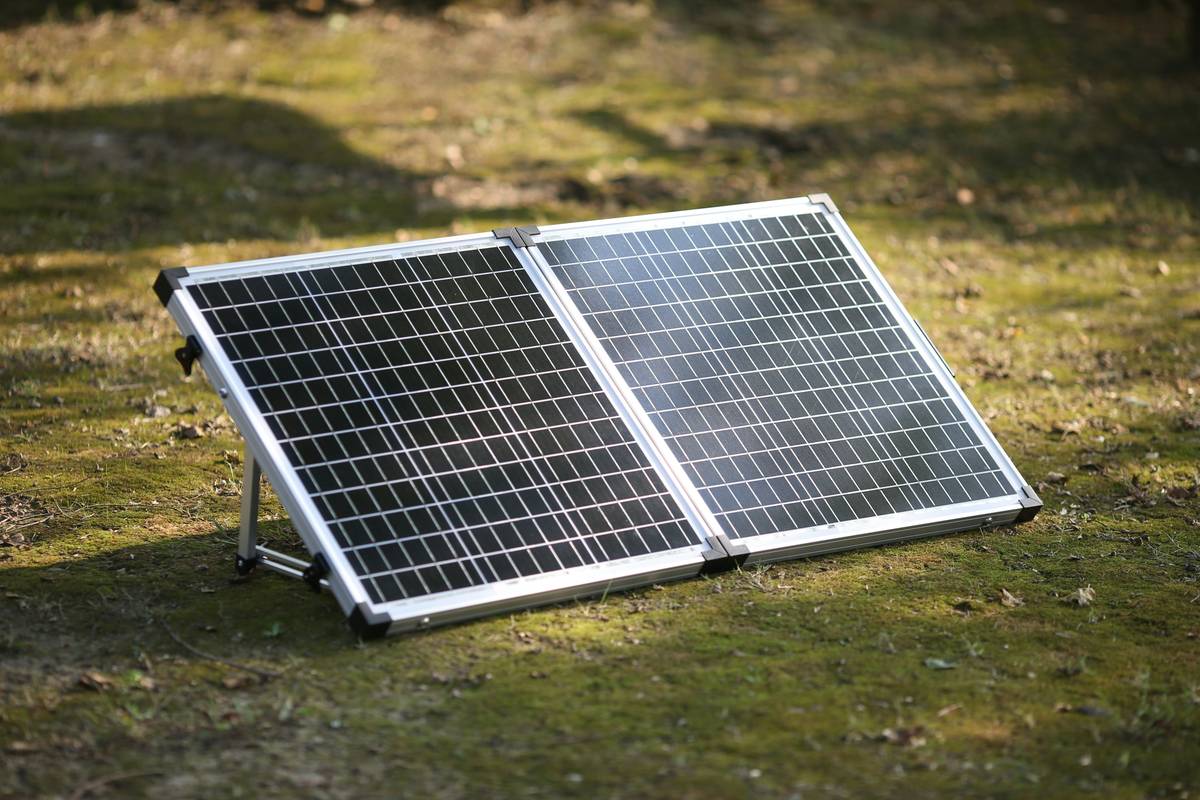
Ever tried bolting rigid solar panels onto your kayak, RV roof, or vintage camper—only to watch them crack like stale tortilla chips? Yeah, we’ve been there too. In fact, I once glued a traditional panel to my sailboat’s bimini top during a DIY rush… only to find it shattered after one squall. Total facepalm moment.
If you’re exploring renewable energy for unconventional surfaces—curved roofs, backpacks, tiny homes, or marine applications—you need thin flexible solar panels. Not the bulky glass-and-aluminum kind that laughs at your lightweight dreams, but the sleek, bendable, featherlight alternatives transforming how we harvest sunlight.
In this guide, you’ll discover:
- Why thin flexible solar panels solve unique off-grid challenges
- How to choose the right type (spoiler: not all “flexible” panels are created equal)
- Real-world performance data from camping rigs and coastal installations
- Mistakes to avoid—like trusting misleading wattage claims
Table of Contents
- Why Rigid Panels Fail on Mobile or Curved Surfaces
- How to Choose, Install, and Maintain Thin Flexible Solar Panels
- 5 Pro Tips for Maximizing Output and Lifespan
- Real-World Case Studies from Boaters and Overlanders
- FAQ: Thin Flexible Solar Panels
Key Takeaways
- Thin flexible solar panels use monocrystalline or CIGS cells bonded to polymer backings—no glass, no frame.
- They typically weigh 2–4 lbs per 100W vs. 15–20 lbs for rigid equivalents.
- Max bending radius matters: most tolerate 15–30° curvature; exceed it and you risk microfractures.
- Efficiency ranges 18–23% for premium monocrystalline flex panels (vs. 22–24% for rigid).
- Lifespan is shorter (8–12 years) but acceptable for mobile or temporary setups.
Why Rigid Panels Fail on Mobile or Curved Surfaces
Rigid solar panels dominate rooftops—and for good reason. Their tempered glass and aluminum frames offer decades of durability under static conditions. But try mounting one on a gently arched van roof, a sailboat cabin, or a portable solar generator cart, and physics fights back.
Vibration from travel, thermal expansion in deserts, and wind load on marine vessels create constant stress. Glass doesn’t flex—it fractures. And those sturdy frames? They add weight that strains vehicle payloads or requires complex mounting brackets.
Enter thin flexible solar panels: engineered for dynamic environments. These use either:
– Monocrystalline silicon cells sliced ultra-thin (down to 100 microns) and laminated between ETFE (ethylene tetrafluoroethylene) layers.
– Or CIGS (copper indium gallium selenide) thin-film tech, printed directly onto flexible substrates.
Both eliminate glass and metal frames, slashing weight by up to 75%. Monocrystalline flex panels lead in efficiency; CIGS wins in extreme low-light and heat tolerance—but costs more.
How to Choose, Install, and Maintain Thin Flexible Solar Panels
What specs actually matter?
Don’t fall for inflated “peak watt” labels. Look for STC-rated output (Standard Test Conditions: 1000W/m² irradiance, 25°C cell temp). A “100W” panel delivering 85W in real sun isn’t uncommon—but it should be disclosed.
Can you really walk on them?
Nope. Despite marketing photos of people standing on flex panels, most are rated for light foot traffic only if supported underneath. Step on an unsupported section? Hello, dead cells.
Installation: Adhesive vs. Mechanical Mounting
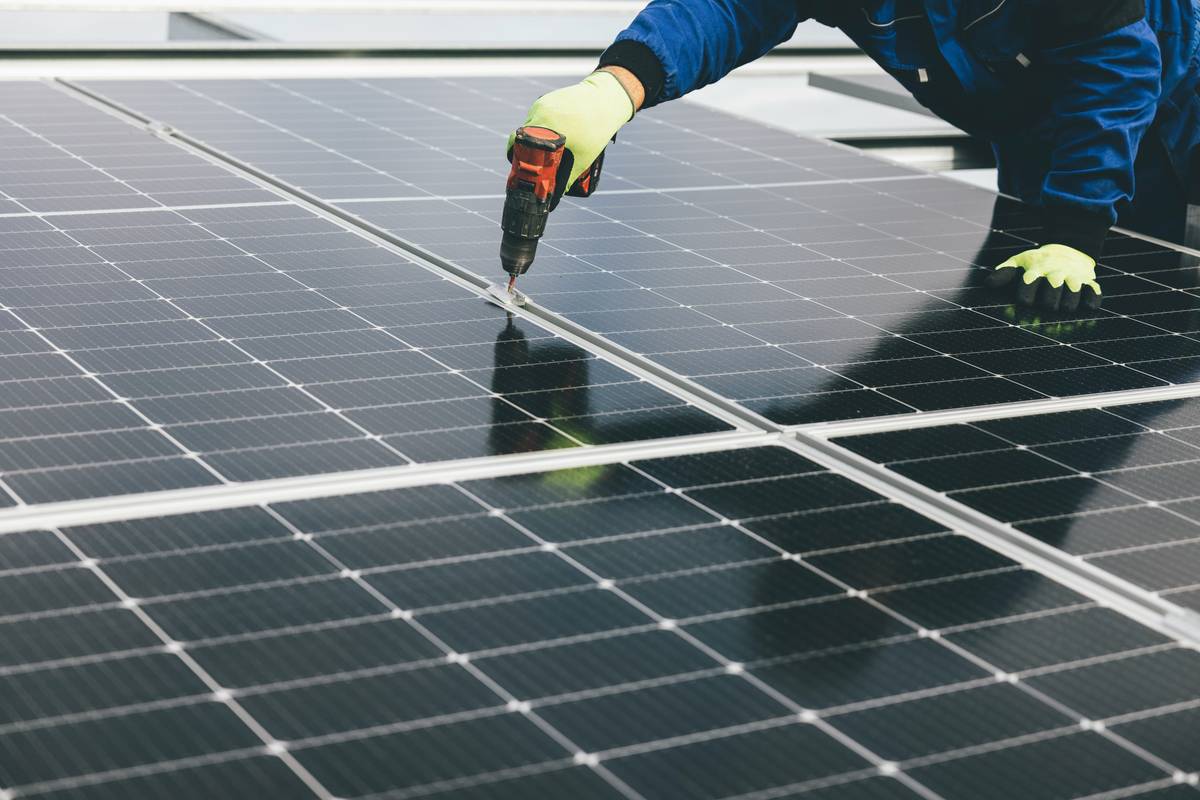
Most thin flexible solar panels install with high-bond adhesives like 3M VHB tape or Sikaflex sealant. Key steps:
- Clean surface with isopropyl alcohol—no wax, no residue.
- Apply adhesive evenly; press firmly for 60+ seconds per sq ft.
- Allow 72 hours cure time before exposure to rain or stress.
*Optimist You:* “Just peel and stick—it’s foolproof!”
*Grumpy You:* “Ugh, fine—but only if I don’t have to re-do it after monsoon season.”
5 Pro Tips for Maximizing Output and Lifespan
- Avoid sharp bends: Most panels tolerate 15–30° curvature. Bend beyond that, and microcracks form in cells—permanent power loss.
- Pair with MPPT controllers: Flexible panels often operate at higher voltages under partial shade. PWM controllers waste 15–30% of that potential.
- Clean gently: Use soft cloth + mild soapy water. No abrasive pads—they scratch ETFE coatings, reducing light transmission.
- Shade kills disproportionately: Even 10% shading on a flexible panel can drop output by 40% due to series-wired cells. Use bypass diodes if available.
- Store flat in winter: If removing for storage, roll—not fold—and keep in a dry, dark place. UV degrades polymers over time.
The Terrible Tip We’ve All Heard (And Why It’s Wrong)
“Just buy the cheapest flexible panel on Amazon—it’s all the same!” Nope. Budget brands often use recycled cells with mismatched IV curves, leading to hot spots and premature failure. One client wired five $60 “100W” panels; total output? 220W. Stick with reputable brands like Renogy, Eco-Worthy (mid-tier), or SunPower Maxeon (premium).
Rant Time: “Flexible” ≠ Indestructible
I swear, some manufacturers act like these panels are made of vibranium. Newsflash: ETFE isn’t bulletproof. Hail, falling branches, or even aggressive bird landings can puncture them. If your setup faces debris, add a removable polycarbonate shield. Yes, it costs extra. No, your panel won’t thank you—but your wallet will when you’re not replacing it mid-expedition.
Real-World Case Studies from Boaters and Overlanders
Case #1: Pacific Northwest Sailboat (42ft Cutter)
Owner installed two 175W monocrystalline flex panels on the bimini top. After 18 months:
– Avg daily yield: 980Wh (vs. 1,100Wh estimated)
– Zero delamination despite salt spray
– Weight savings allowed removal of 40 lbs of ballast
Case #2: Overland Van Build (Mercedes Sprinter)
Curved roof meant rigid panels wouldn’t sit flush. Used three 100W Renogy Flex panels:
– Total system weight: 9 lbs (vs. ~45 lbs for rigid)
– Powers fridge, lights, and laptop year-round
– Minor output drop after 2 summers (attributed to UV exposure)—still at 88% capacity
Both users emphasized: proper surface prep during installation was non-negotiable. One skipped degreasing; panel lifted at edge after 3 weeks.
FAQ: Thin Flexible Solar Panels
Are thin flexible solar panels worth it?
Yes—if you need lightweight, conformable power for mobile, marine, or irregular surfaces. Not ideal for permanent home rooftops where longevity > portability.
How long do they last?
Premium models: 8–12 years with proper care. Budget versions: 3–5 years. Most come with 2–5 year warranties.
Can they charge batteries in cloudy weather?
Yes, but output drops sharply. CIGS-based panels perform better in diffuse light than silicon. Expect 10–25% of rated output on overcast days.
Do they work in freezing temps?
Better than rigid panels! Cold improves voltage output. Just ensure snow slides off—accumulation blocks light fast.
Can I connect them to my home grid?
Technically yes, but rarely practical. Their lower lifespan and efficiency make them cost-ineffective vs. rooftop systems. Best for DC off-grid use (e.g., 12V/24V battery banks).
Conclusion
Thin flexible solar panels aren’t magic—but they’re the closest thing we’ve got for bringing solar power to places rigid panels simply can’t go. From sailboats dancing on ocean swells to overland vans cruising desert trails, these lightweight warriors deliver real energy where it’s needed most.
Just remember: vet your specs, prep your surface like your trip depends on it (because it does), and never believe a wattage label without STC verification. Do that, and you’ll harness the sun—without hauling glass into the wild.
Like a Nokia brick phone, your solar setup should just… work. No drama. No cracks. Just power.