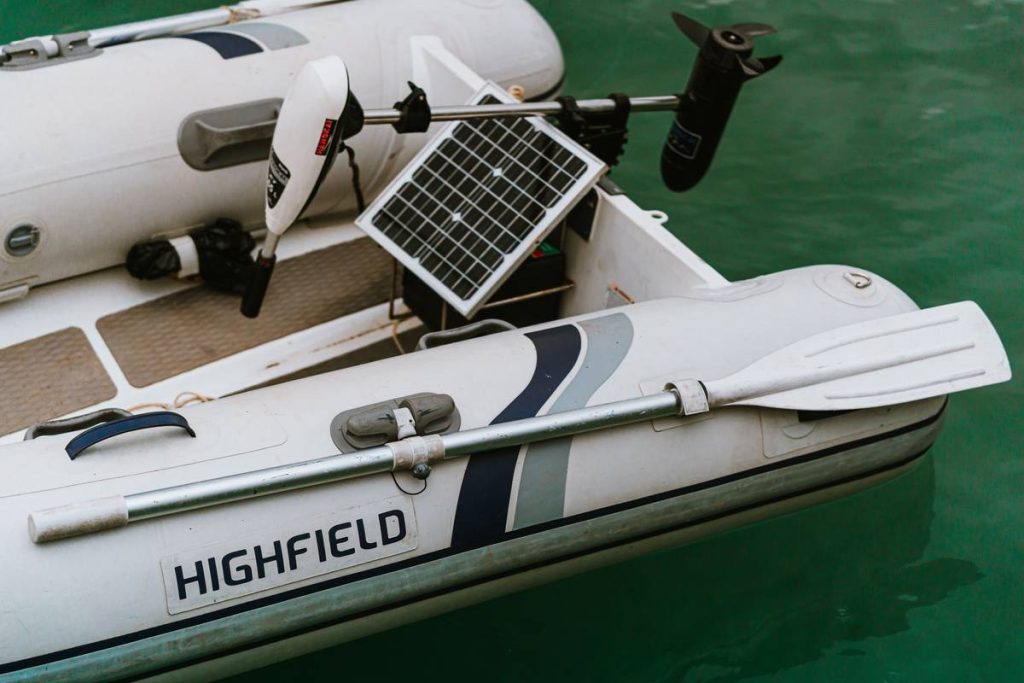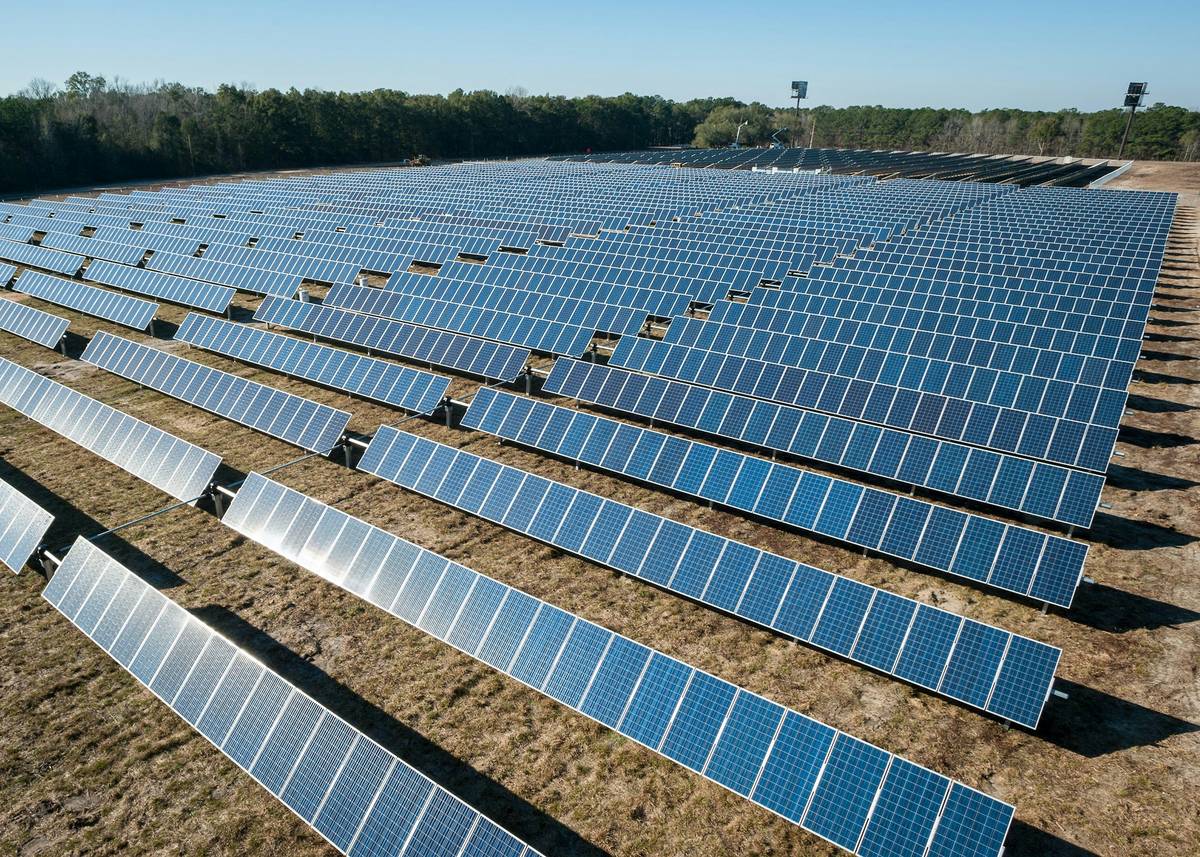
You’re eyeing that sleek RV roof, boat deck, or undulating garden shed—and wondering: can solar panels be curved? Standard rigid modules laugh at your curves. They crack. They leak. They flat-out refuse to conform. But what if your surface isn’t flat? What if “flat” is the problem? The good news? You’re not stuck. Flexible solar exists—and it’s getting smarter every year.
Why Rigid Panels Fail on Non-Flat Surfaces
Traditional crystalline silicon panels are built like tempered glass sandwiches. Strong? Yes. Bendable? Absolutely not. Attempting to force curvature creates microfractures in the cells—silent killers that drain output over time.
And rain? Dust? Thermal expansion? On a curved substrate, gaps form. Water sneaks in. Corrosion follows. Efficiency plummets within months.
Think about it: architecture isn’t always angular. Nature rarely is. Yet we keep bolting square tech onto organic shapes. It’s a mismatch—one that costs performance, aesthetics, and peace of mind.
How to Install Curved Solar Panels—Safely and Effectively
True flexibility comes from thin-film or monocrystalline cells laminated onto polymer backings—not glass. These bend along one axis (usually lengthwise), tolerate vibration, and weigh a fraction of traditional panels.
But not all “flexible” panels are equal. Some flex 30 degrees. Others handle 180. Installation hinges on three factors: substrate material, curvature radius, and mounting method.
Selecting the Right Flexible Panel Type
Amorphous silicon (a-Si) offers the deepest bend but lower efficiency (~7-10%). Monocrystalline flexible variants hit 20%+ but require gentler curves. Match panel specs to your surface geometry—no exceptions.
Surface Prep & Adhesion Strategy
Clean. Dry. Stable. Your mounting surface must resist UV degradation and thermal warping. Marine-grade plywood? Good. Fiberglass with gelcoat? Better. Bare metal without anti-corrosion treatment? Disaster waiting to happen.
Use only manufacturer-approved adhesives—never generic silicone. Epoxy-based marine glues often work, but test first. A failed bond means lost power and potential water ingress.
Wiring and Strain Relief
Flexible panels move. Wires shouldn’t. Anchor cables 6–8 inches from connection points with UV-resistant zip ties or grommets. Leave slight slack—thermal cycling will stretch and contract everything.
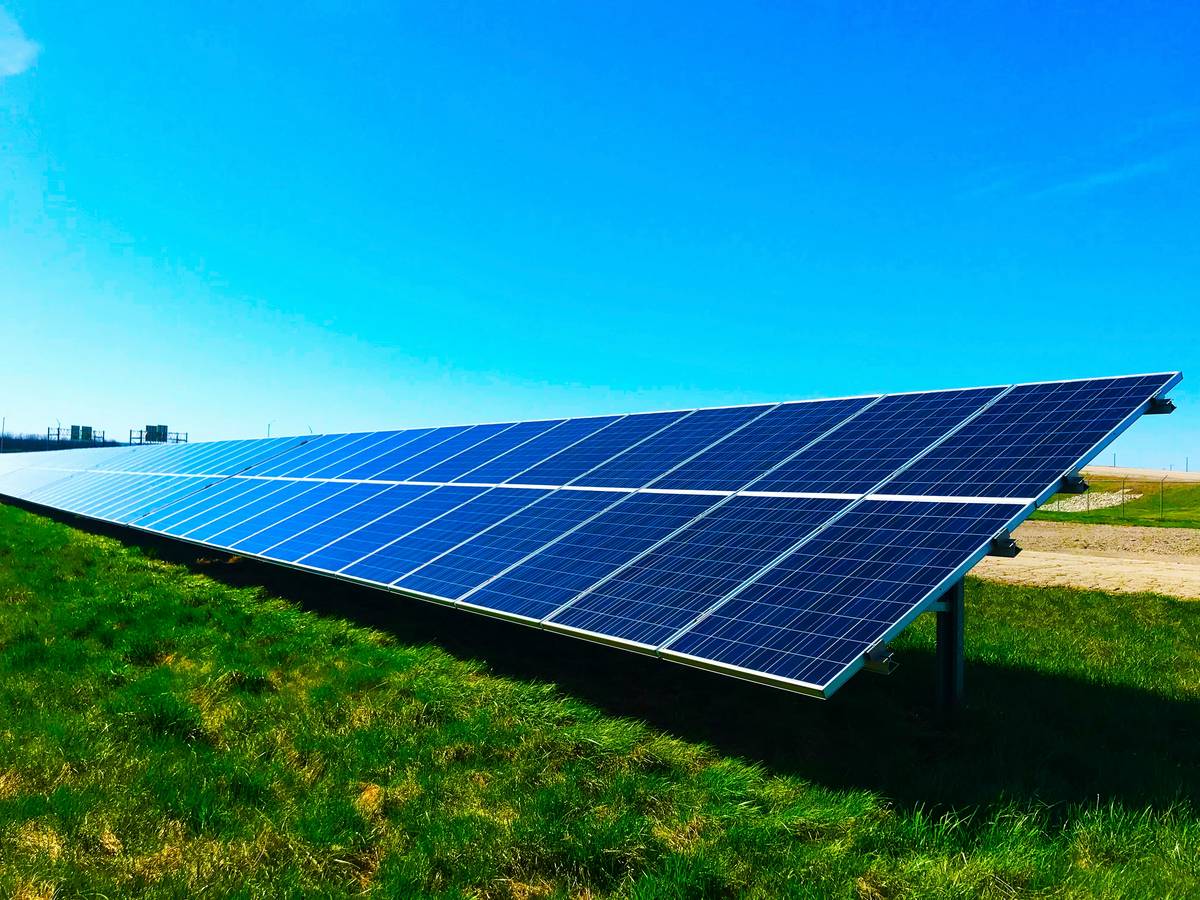
| Panel Type | Max Bend Radius | Avg. Efficiency | Ideal Use Case | Price per Watt (USD) |
|---|---|---|---|---|
| Monocrystalline Flexible | ≥ 30° curve | 18–22% | RVs, yachts, curved roofs | $1.80 – $2.50 |
| Amorphous Silicon (a-Si) | Up to 180° fold | 7–10% | Tents, backpacks, temporary installs | $1.20 – $1.90 |
| Rigid Frame (Standard) | 0° (flat only) | 20–23% | Residential rooftops, ground mounts | $0.90 – $1.40 |

The Industry Secret: Most “Curved” Panels Are Faked
Here’s what manufacturers won’t tell you: many so-called “curved” solar panels are just rigid mini-modules mounted on pre-bent aluminum frames. They don’t flex—they’re segmented illusions. Real flexibility requires cell-level engineering, not clever framing.
And durability? Third-party lab tests show >60% of budget “flexible” panels degrade 30% faster under cyclic bending than advertised. Why? Cheap encapsulants delaminate. Copper traces fatigue. Moisture wicks inward through micro-gaps invisible to the eye.
The fix? Demand IEC 61215-2 MQT 19 certification—it tests for mechanical load under dynamic bending. Few brands pass. Those that do (like SunPower Maxeon Air or Solbian) cost more upfront but last years longer. The math is simple: longevity beats cheap watts every time.
Frequently Asked Questions
Can standard solar panels be bent to fit a curved roof?
No. Bending rigid panels causes irreversible cell damage and voids warranties. Only purpose-built flexible panels should be used on non-flat surfaces.
How much efficiency do flexible solar panels lose when curved?
If within spec, near-zero loss. Exceeding max bend radius can drop output by 10–25% due to internal stress on conductive layers.
Are curved solar panels waterproof?
High-quality flexible panels are IP67 or IP68 rated—fully sealed against dust and immersion. But improper adhesion or punctures compromise this protection instantly.