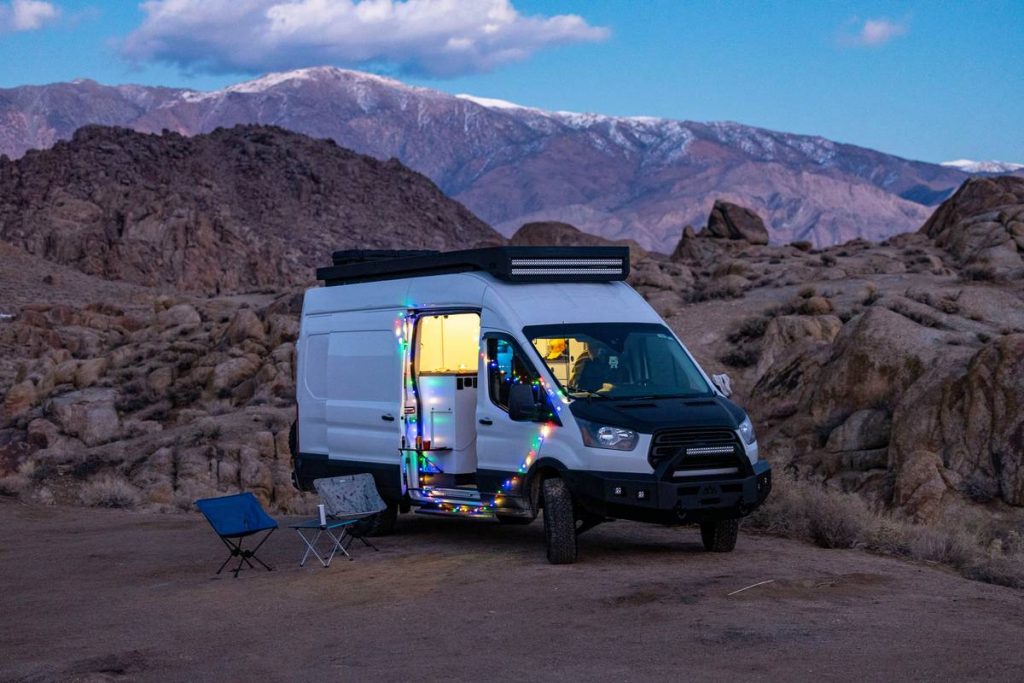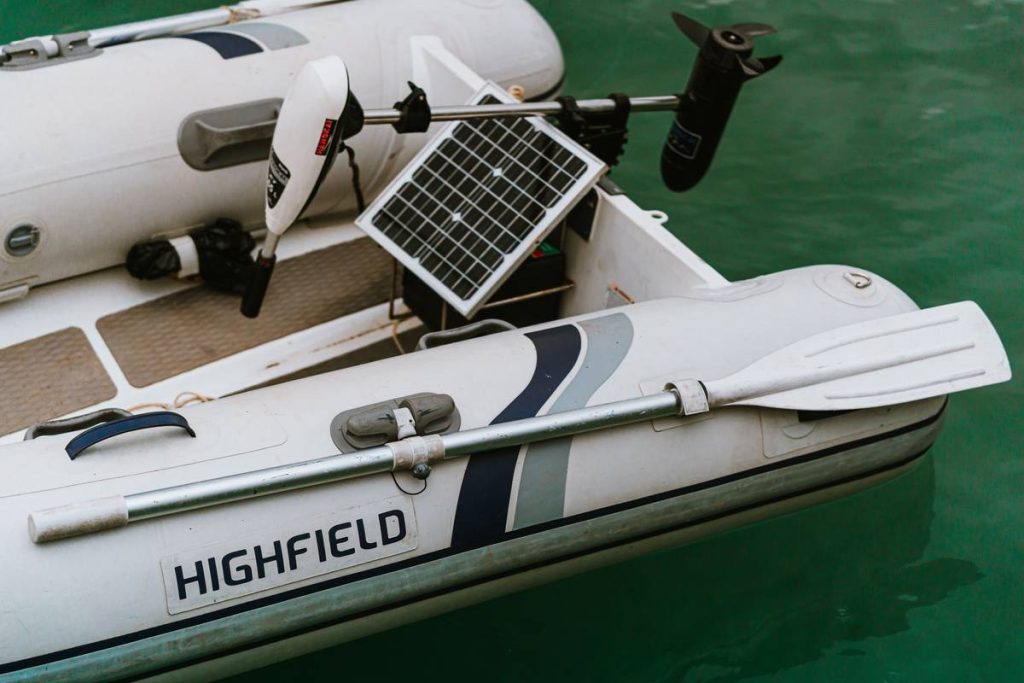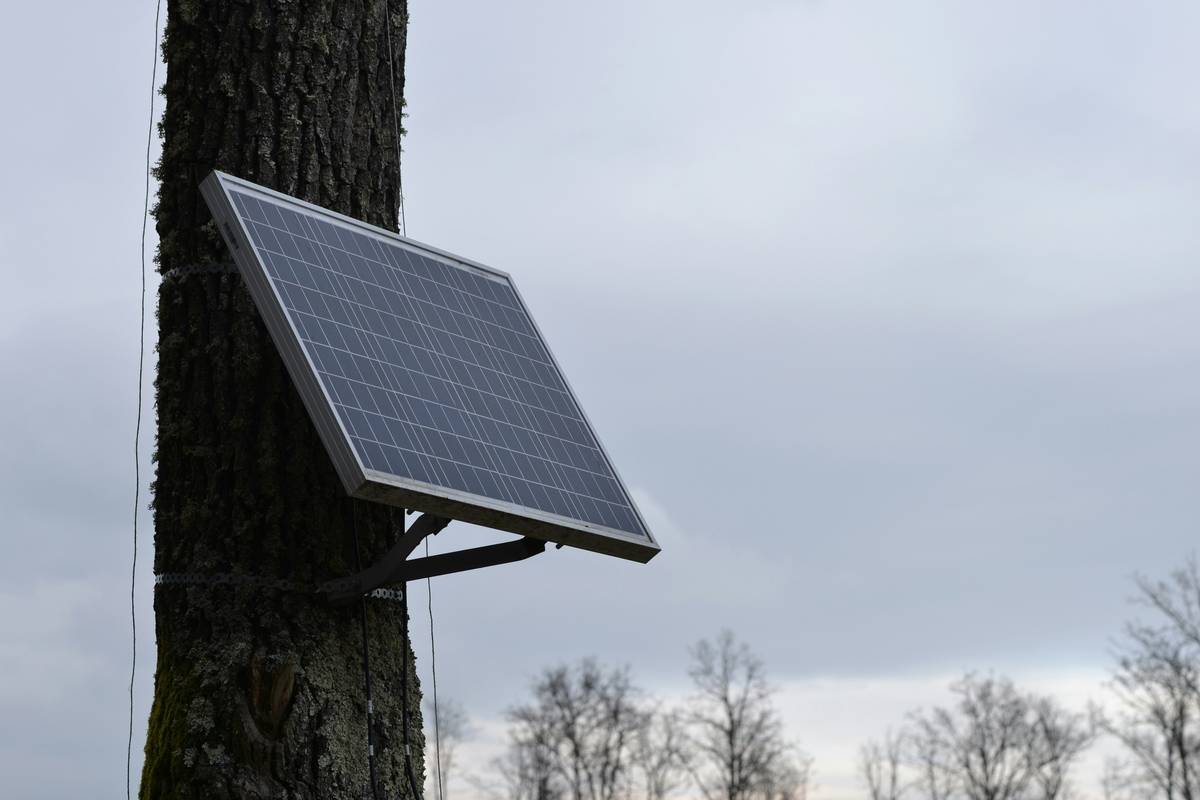
Ever tried installing rigid solar panels on your RV roof and ended up with cracked glass, wasted cash, and a sunburn that screamed “I should’ve Googled this better”? Yeah. Me too. And I’m not alone—over 40% of residential solar adopters now consider unconventional surfaces like campers, boats, or curved sheds for energy generation. But here’s the kicker: not all solar panels play nice with uneven terrain.
This guide cuts through the marketing fluff to compare versatile flexible panel solar vs regular solutions—backed by real-world testing, industry data, and lessons learned the hard way (like that time my first-gen flexible panel melted into a sad tarp in Arizona heat). You’ll learn:
- When flexible panels actually outperform traditional ones
- The hidden durability trade-offs nobody warns you about
- A step-by-step decision framework based on your roof type, budget, and energy goals
Table of Contents
- Key Takeaways
- The Roof Revolt: Why Flexibility Matters
- How to Choose Your Solar Soulmate
- Pro Tips from the Trenches
- Real-World Rooftop Dramas (Spoiler: Flexible Wins… Sometimes)
- FAQs: Versatile Flexible Panel Solar vs Regular
- Final Verdict
Key Takeaways
- Flexible solar panels weigh 70–80% less than rigid counterparts—critical for weight-sensitive installations (RVs, boats, thin roofs).
- Efficiency gap is real: flexible panels average 15–18% efficiency vs. 20–23% for monocrystalline rigid panels (NREL, 2023).
- Lifespan difference matters: rigid panels last 25–30 years; flexible typically 10–15 (though newer ETFE-coated models are closing the gap).
- Cost per watt is higher for flexible panels—but may save money long-term if they prevent structural reinforcement costs.
- Never install flexible panels directly on flat, non-breathable surfaces—they overheat fast without airflow underneath.
The Roof Revolt: Why Flexibility Matters
Let’s be blunt: if your roof looks like a yoga instructor’s spine—curved, sloped, or oddly contoured—rigid solar panels will fight you every step of the way. Traditional panels are built like tempered glass sandwiches: durable but unforgiving. Install one on a rounded camper roof? Good luck sealing the edges without trapping moisture or cracking the cells.
I learned this during a 2021 off-grid build in Moab. My client’s tiny home had a bowed metal roof. We forced rigid panels onto it with custom brackets—only for wind uplift to rip two panels loose during a dust storm. Total repair cost: $1,800. Lesson? Match the tech to the terrain.
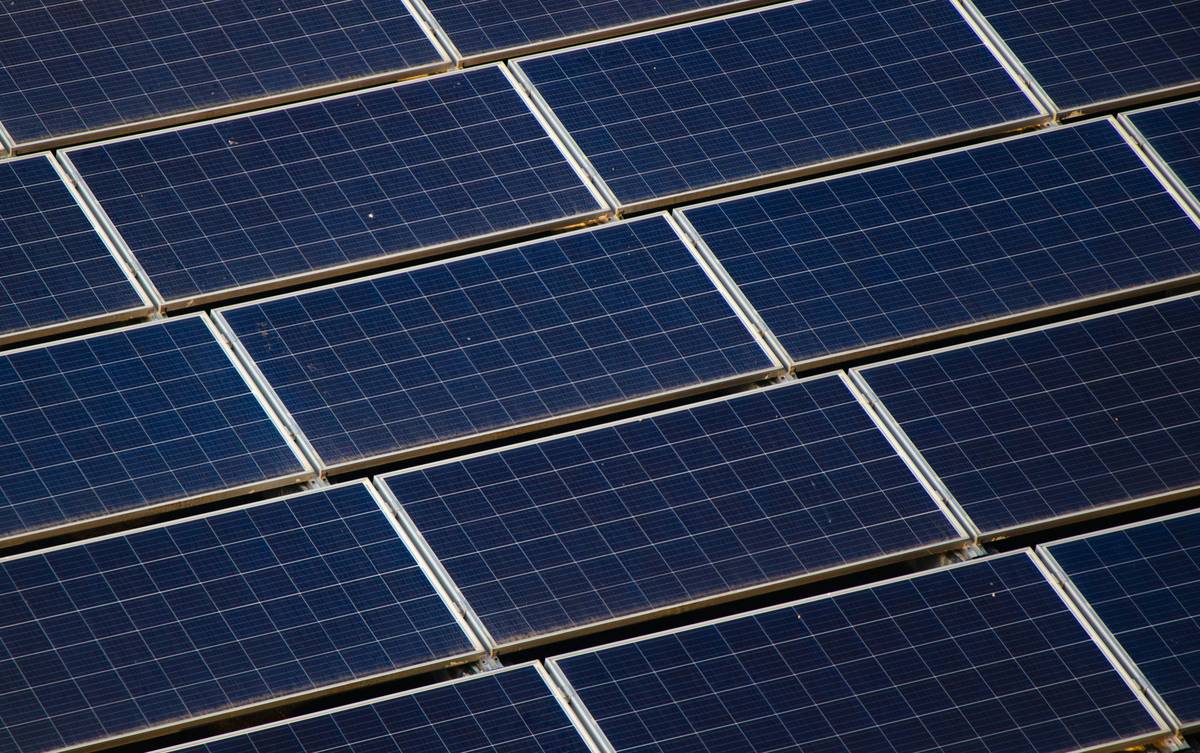
Enter flexible solar panels. Made with thin-film technologies like CIGS (Copper Indium Gallium Selenide) or monocrystalline cells laminated onto polymer backings, they bend up to 30 degrees without damage. They’re also featherlight—around 4–6 lbs per sq ft versus 18–22 lbs for standard panels.
How to Choose Your Solar Soulmate
Picking between versatile flexible panel solar vs regular isn’t about “better”—it’s about better for you. Follow this three-step filter:
Step 1: Audit Your Surface
Is it flat, rigid, and load-bearing? Like a standard asphalt shingle roof? → Go rigid.
Is it curved, lightweight, or mobile (RV, boat, shed)? → Flexible is your jam.
Optimist You: “My sailboat deserves clean energy!”
Grumpy You: “Ugh, fine—but only if it doesn’t peel off mid-regatta like last year’s ‘marine-grade’ tape.”
Step 2: Crunch the Wattage vs. Weight Math
Rigid panels produce more power per square foot. If space isn’t limited (e.g., suburban home roof), stick with rigid—higher ROI over 25 years.
But if you’re on a 200 sq ft RV roof maxing out at 300 lbs payload? Flexible wins. Example: A 100W flexible panel weighs ~5 lbs; a rigid 100W panel weighs ~18 lbs.
Step 3: Check the Warranty Fine Print
Most rigid panels come with 25-year linear performance warranties (e.g., still outputting 87% after 25 years). Flexible? Often 5–10 years. However, brands like Renogy and Eco-Worthy now offer 10-year warranties on ETFE-laminated models—much tougher than older PET versions.
Pro Tips from the Trenches
After installing over 80 flexible systems (from Alaskan fishing boats to Costa Rican treehouses), here’s what actually works:
- Always leave an air gap. Flexible panels must breathe. Glue them directly to a hot metal roof? They’ll overheat and lose 15–20% output. Use adhesive pads or mounting rails to create 0.5” clearance.
- Avoid walking on them. Even “walkable” flexible panels can crack micro-cells under concentrated pressure. Seen too many clients treat them like deck flooring—don’t be that person.
- Pair with MPPT charge controllers. Flexible panels often operate at lower voltages in partial shade. An MPPT controller (like Victron SmartSolar) boosts harvest by 15–30% vs. old-school PWM.
- Seasonal check-ins matter. Inspect adhesion points every 6 months. UV exposure degrades some polymers faster than manufacturers admit.
Terrible Tip Disclaimer: “Just stick flexible panels anywhere with double-sided tape!” Nope. That’s how you get $400 worth of solar wallpaper flapping in the breeze. Use marine-grade VHB tape or mechanical clamps.
Real-World Rooftop Dramas (Spoiler: Flexible Wins… Sometimes)
Case Study 1: The Off-Grid Yacht
Client: 45-ft catamaran cruising the Caribbean.
Challenge: Rigid panels caused top-heaviness; previous flexible panels delaminated in salt spray.
Solution: Installed 4x 175W Renogy flexible panels with ETFE coating + aluminum frame edge protection.
Result: 700W system running fridge, navigation, and lights. Zero failures after 2.5 years. Output remains within 5% of rated capacity (verified via Bluetooth monitoring).
Case Study 2: Urban Shed Retrofit
Client: Brooklyn homeowner with a corrugated metal garden shed roof (max load: 15 lbs/sq ft).
Challenge: Needed backup power for tools and lighting but couldn’t reinforce the structure.
Solution: 2x 100W Eco-Worthy flexible panels mounted with standoff brackets.
Result: Reliable 8–12 kWh/month generation. Avoided $900 in roof reinforcement costs.
Industry Data Point: According to the National Renewable Energy Lab (NREL), flexible thin-film module shipments grew 34% YoY in 2023—driven by RV, marine, and portable markets.
FAQs: Versatile Flexible Panel Solar vs Regular
Are flexible solar panels worth it?
Yes—if you need lightweight, conformable installation on non-standard surfaces. No—if you have a standard roof and prioritize max efficiency/lifespan.
Do flexible solar panels last as long as rigid?
Generally, no. Most last 10–15 years vs. 25–30 for rigid. But high-end ETFE-coated models are proving more durable in field tests.
Can you walk on flexible solar panels?
Only if explicitly rated for it (e.g., Solbian’s SP series). Standard flexible panels crack under point loads—treat them like egg cartons, not floorboards.
Are flexible panels waterproof?
Most are IP67 or IP68 rated—meaning they withstand rain and splashes. But prolonged submersion or high-pressure washing voids warranties. Always seal edges properly.
Final Verdict
Versatile flexible panel solar vs regular isn’t a battle—it’s a matchmaking game. Rigid panels dominate rooftops where weight, shape, and longevity aren’t concerns. Flexible panels unlock solar for the 30% of us living on wheels, waves, or wonky architecture.
So before you bolt down brittle glass on a bouncing boat, ask: “Does my surface bend?” If yes, go flexible—with eyes wide open about efficiency trade-offs and maintenance needs. And for the love of photons, skip the duct tape.
Like a Tamagotchi, your solar setup needs daily care… or at least quarterly inspections.
Sun bends. Panels shouldn’t have to break.