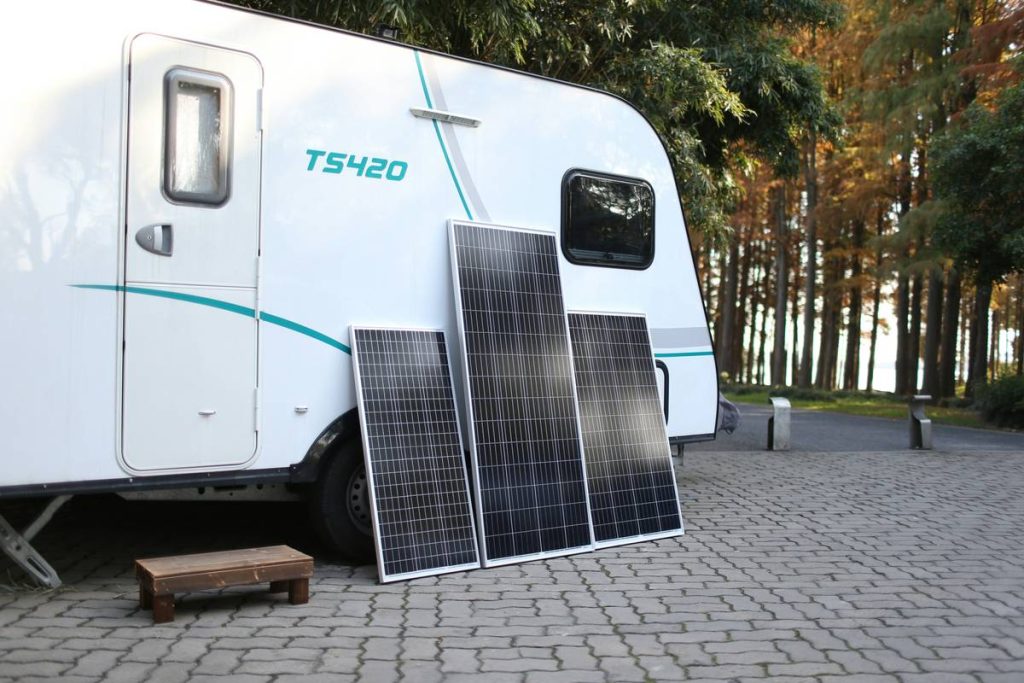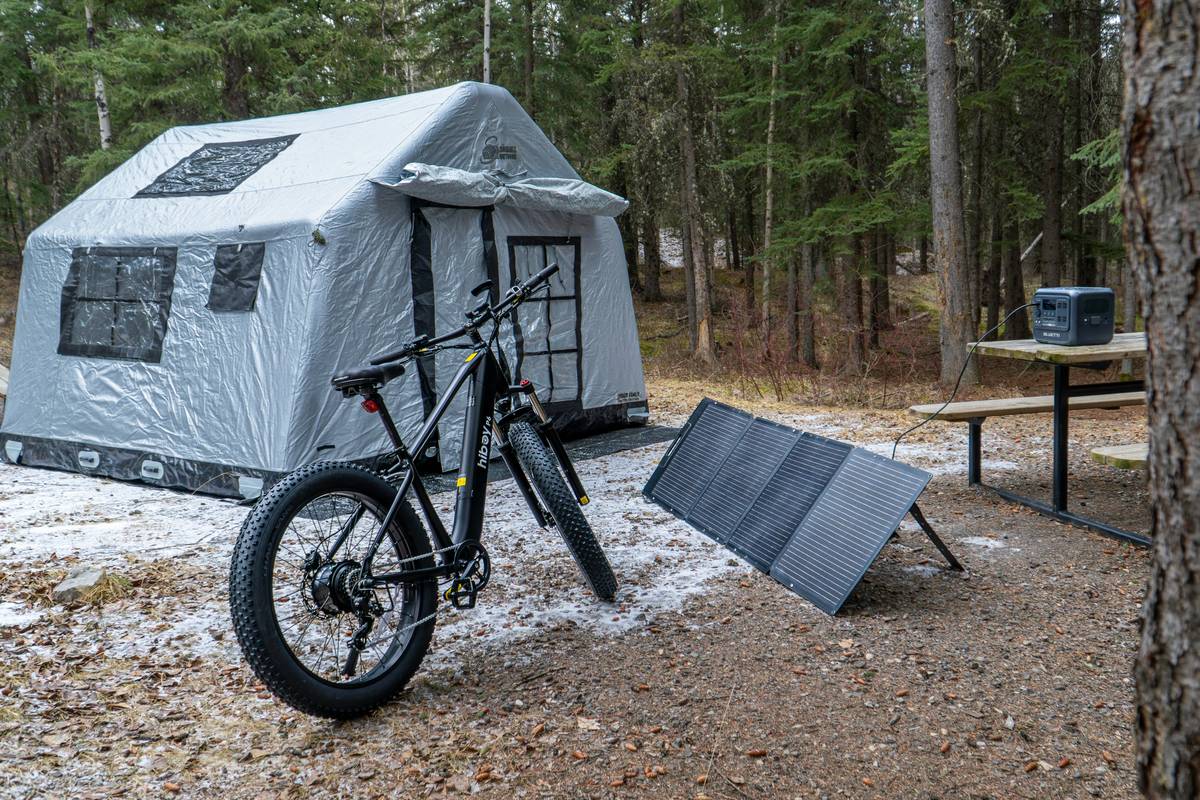
You bought a solar panel. It’s heavy, rigid, and cracked after your third backpacking trip. Sound familiar? Traditional panels were never built for real-world mobility. They’re fragile, inflexible, and assume you’ve got a flat roof—not a kayak, van roof, or tent fly. The result? Wasted money, dead batteries, and frustration when the sun’s out but your gear won’t cooperate. Enter portable flexible solar panels—lightweight, bendable, and engineered for chaos.
The Core Problem: Why Rigid Panels Fail in Real Life
Rigid monocrystalline panels dominate rooftops—and sales pages—but they’re terrible for anything that moves. Drop one? Cracked cells. Mount it on a curved surface? Air gaps kill efficiency. Toss it in a duffel bag? Good luck reassembling the glass shards.
Manufacturers push “durability” specs based on static lab tests. Real terrain laughs at those numbers. Mud, wind gusts, uneven surfaces, and accidental kicks are daily realities. And if you’re relying on power during an emergency or expedition, failure isn’t an option—it’s a blackout.
How to Choose & Use Portable Flexible Solar Panels Like a Pro
Finding the right setup isn’t about chasing the highest wattage label. It’s about matching tech to your actual use case—whether you’re van-living, disaster prepping, or guiding river trips.
Assess Your Power Needs Honestly
Most people overestimate what they need. A 60W panel can charge phones, LED lights, and even a small fridge—if used smartly. Start by listing devices, their watt-hours, and how often you’ll recharge. Spoiler: You probably don’t need 300W unless you’re running medical equipment or power tools off-grid.
Prioritize Flexibility Over Peak Efficiency
Yes, rigid panels hit 22%+ efficiency. Flexible ones hover around 18–21%. But here’s the math most skip: if a rigid panel lies flat only 40% of the time due to surface limitations, its real-world output plummets. A flexible panel conforming to your boat deck or RV roof absorbs more usable sunlight—even if its lab rating is lower.
Check the Substrate—Not Just the Cells
The solar cells get all the attention. The backing material determines survival. Cheap models use thin PET film that yellows and delaminates after six months in UV exposure. Premium units embed cells in ETFE (ethylene tetrafluoroethylene)—a aerospace-grade polymer that resists abrasion, salt spray, and -40°F cold without cracking.
Mounting & Maintenance: Keep It Simple
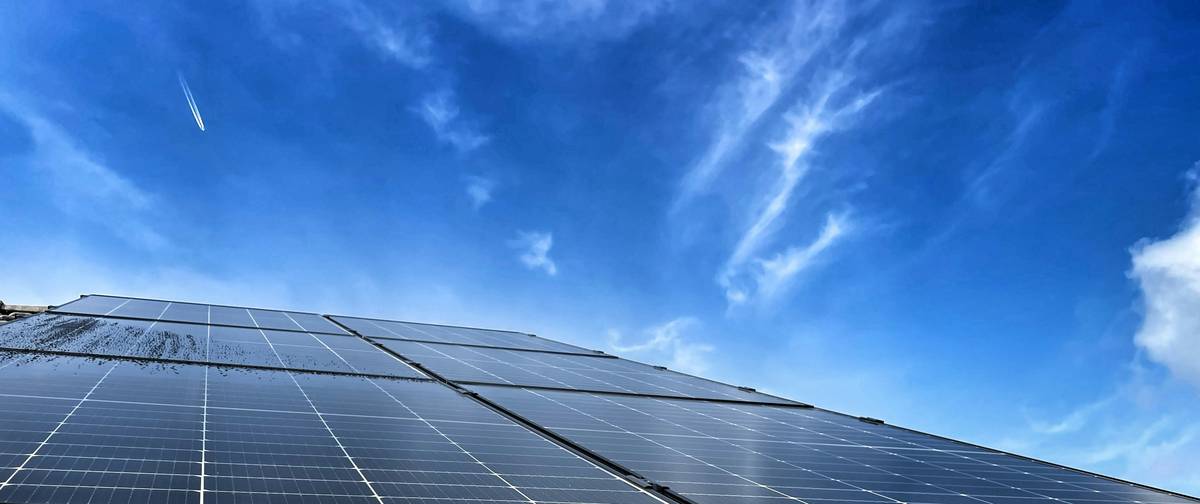
Forget complex brackets. The best flexible panels come with reinforced grommets, adhesive corners, or magnetic edges. Clean them with a damp microfiber cloth—no pressure washers. And never fold them tightly; roll them loosely to avoid microfractures in the thin-film cells.
| Panel Type | Weight (per 100W) | Max Bend Radius | Real-World Efficiency Loss on Curved Surfaces | Best For |
|---|---|---|---|---|
| Rigid Monocrystalline | 18–22 lbs | None (0°) | 30–50% | Permanent rooftop installs |
| Semi-Flexible (Polymer-backed) | 4–6 lbs | 30° | 5–10% | Boats, RVs with slight curves |
| Fully Flexible (ETFE Encapsulated) | 2.5–3.5 lbs | 180° (rollable) | 0–3% | Backpacking, emergency kits, curved surfaces |
The Industry Secret: Output Degradation Isn’t Linear—It’s Sudden
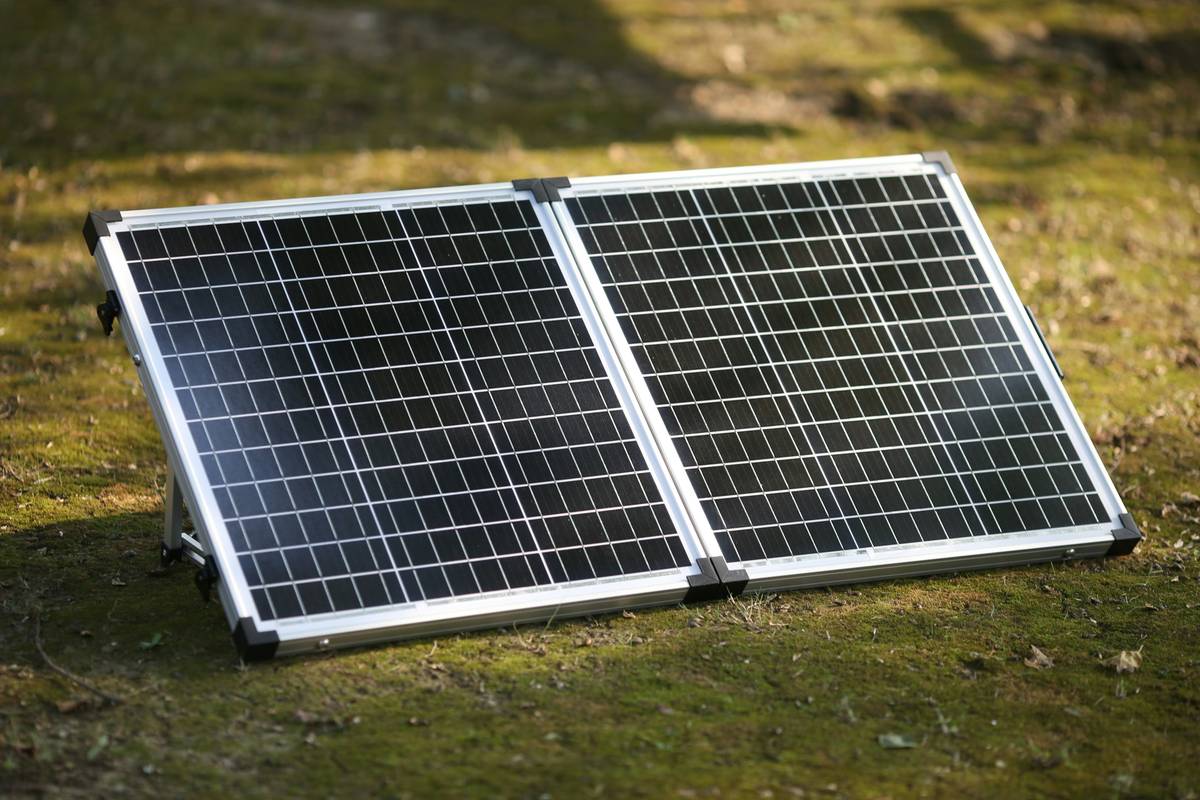
Here’s what datasheets won’t tell you: flexible panels don’t slowly lose 0.5% output per year like rigid ones. Their failure mode is binary. A tiny puncture from a stray branch, a poorly sealed edge, or repeated sharp folding creates micro-cracks that stay invisible—until one humid morning, output drops 60% overnight.
The fix? Buy from brands that publish third-party stress-test videos—not just efficiency charts. And always pair your panel with a PWM or MPPT charge controller that logs voltage trends. A sudden dip in open-circuit voltage (Voc) is your early warning sign. Catch it early, and you might save the panel with epoxy sealant. Ignore it, and you’re shopping again.
FAQ
Are portable flexible solar panels waterproof?
Most are IP65–IP67 rated—meaning they resist rain and splashes but shouldn’t be submerged. Always check junction box sealing; that’s the weak point.
Can I walk on flexible solar panels?
No. Even “heavy-duty” models aren’t designed for foot traffic. Walking causes internal delamination that kills output within weeks.
How long do portable flexible solar panels last?
With proper care, 5–8 years. Avoid tight folds, store rolled (not folded), and never leave them under heavy objects. UV exposure is less damaging than mechanical stress.