You’re deep in the backcountry. Your phone’s at 3%. Your GPS just died. And that fancy power bank? Dead before lunch. Traditional rigid panels won’t fit on your pack—or survive a tumble down scree. But flexible solar panels for camping change the game. They bend, they weigh almost nothing, and they keep your gear alive without slowing you down.
Why Rigid Panels Fail Off-Grid
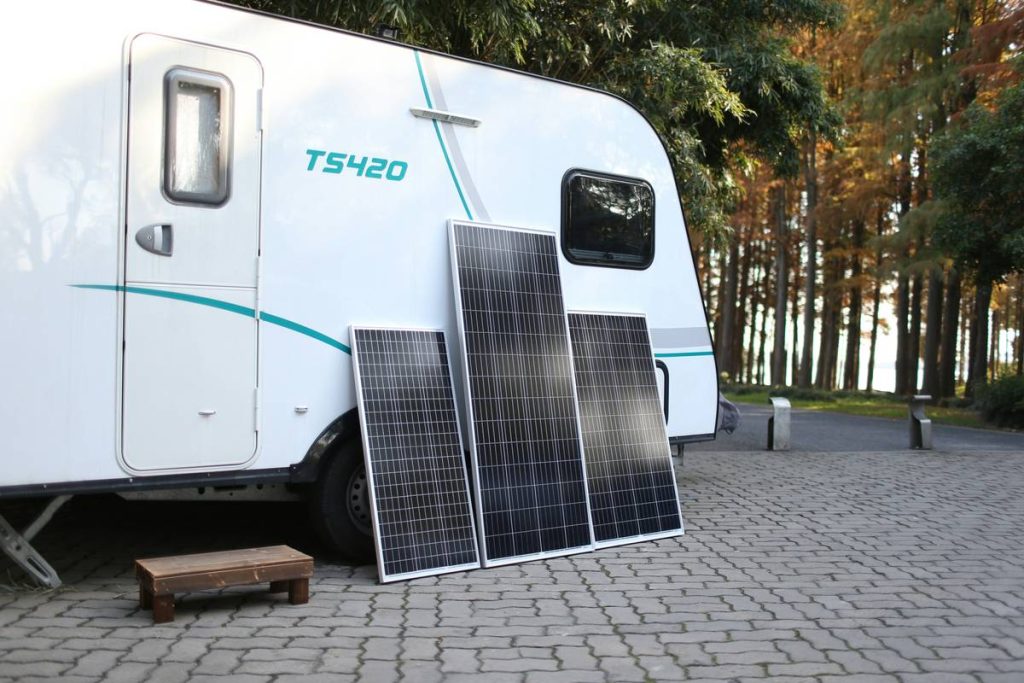
Rigid solar panels are built for rooftops—not rucksacks. They shatter under stress. They add pounds you’ll curse by mile ten. And good luck angling them on uneven terrain without a tripod stand weighing more than your tent.
And yes—efficiency matters. But not if you can’t carry it.
How to Choose & Use Flexible Solar Panels for Camping
Picking the right panel isn’t about max wattage. It’s about matching real-world needs: pack space, weight limits, and how brutal your trips get.
Weight vs. Wattage Trade-Offs
A 100W flexible panel might sound ideal—until you realize it weighs 4 lbs and folds like origami gone wrong. Most solo backpackers thrive with 20W–60W range. Enough for phones, headlamps, even a small fan. Anything beyond that? You’re hauling a portable grid—not going ultralight.
Mounting Without Melting Tape
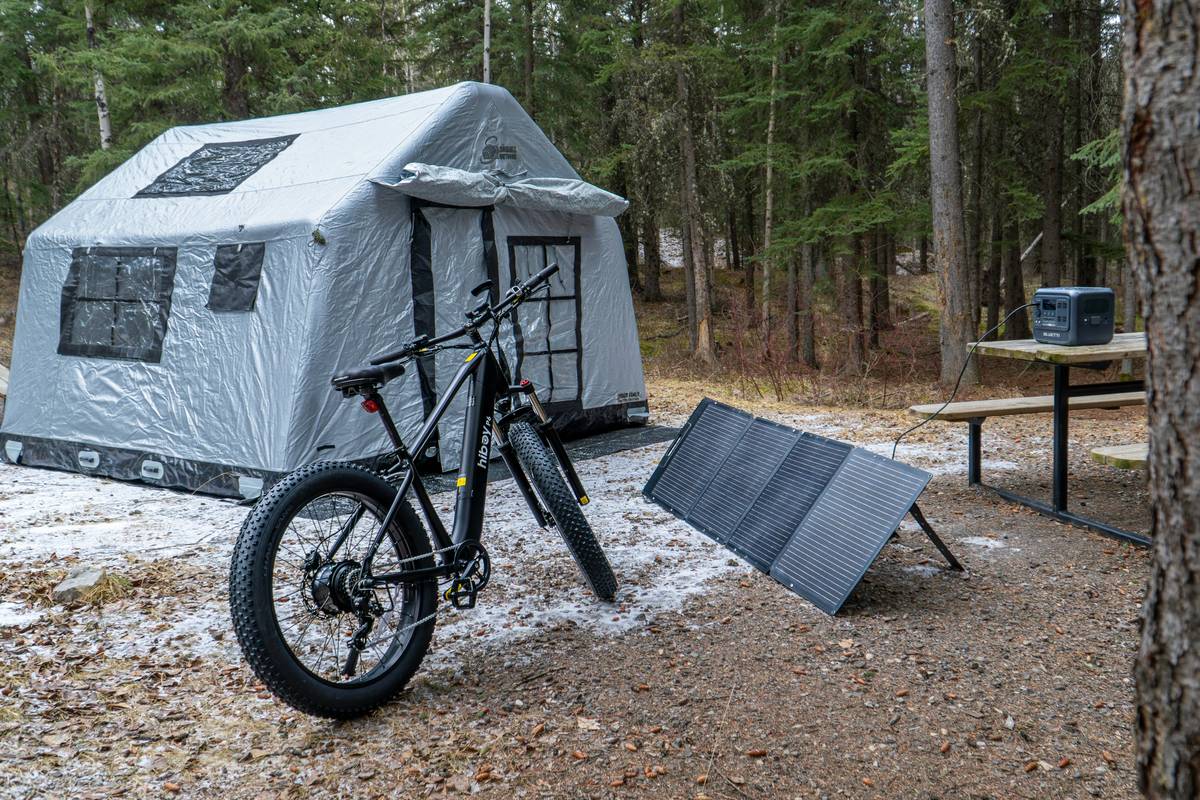
Forget adhesive strips that peel off after one dewy night. Sew reinforced grommets into your tent fly or lash panels to your pack with paracord. Bonus: angle them toward midday sun by propping on a rock or water bottle. No tools. No fuss.
Durability Isn’t Just “Waterproof”
IP67? Great. But real abuse means sand abrasion, branch scratches, and being stepped on (yes, it happens). Look for ETFE-laminated surfaces—they resist micro-tears better than PET. And avoid panels with visible solder lines; those crack first.
| Panel Type | Weight (for 50W) | Folded Size | Real-World Output* | Bend Radius |
|---|---|---|---|---|
| Rigid Mono | 8–10 lbs | 36″ x 24″ | 42–46W | Not bendable |
| Semi-Flex (Mono PERC) | 2.8–3.5 lbs | 24″ x 12″ | 38–43W | 15° curve |
| Fully Flexible (Thin-Film) | 1.2–1.8 lbs | Rolls to 10″ | 28–34W | 90°+ foldable |
*Measured in field conditions: partial cloud, suboptimal angle, moderate dust.
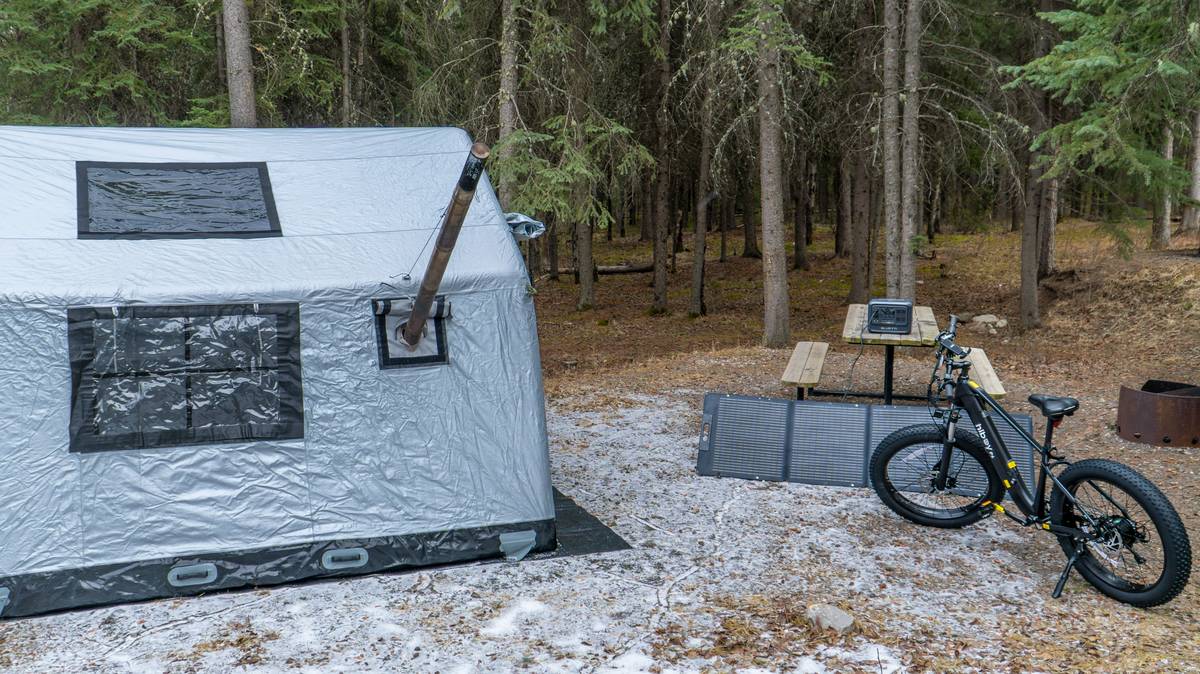
The Industry Secret No One Talks About
Manufacturers rate panels at “Standard Test Conditions”—bright sun, 25°C, perfect angle. Real camping? You get dappled forest light, morning chill, and sideways rain. Here’s the truth: thin-film flexible panels actually outperform
FAQ
Can flexible solar panels charge a power station while hiking?
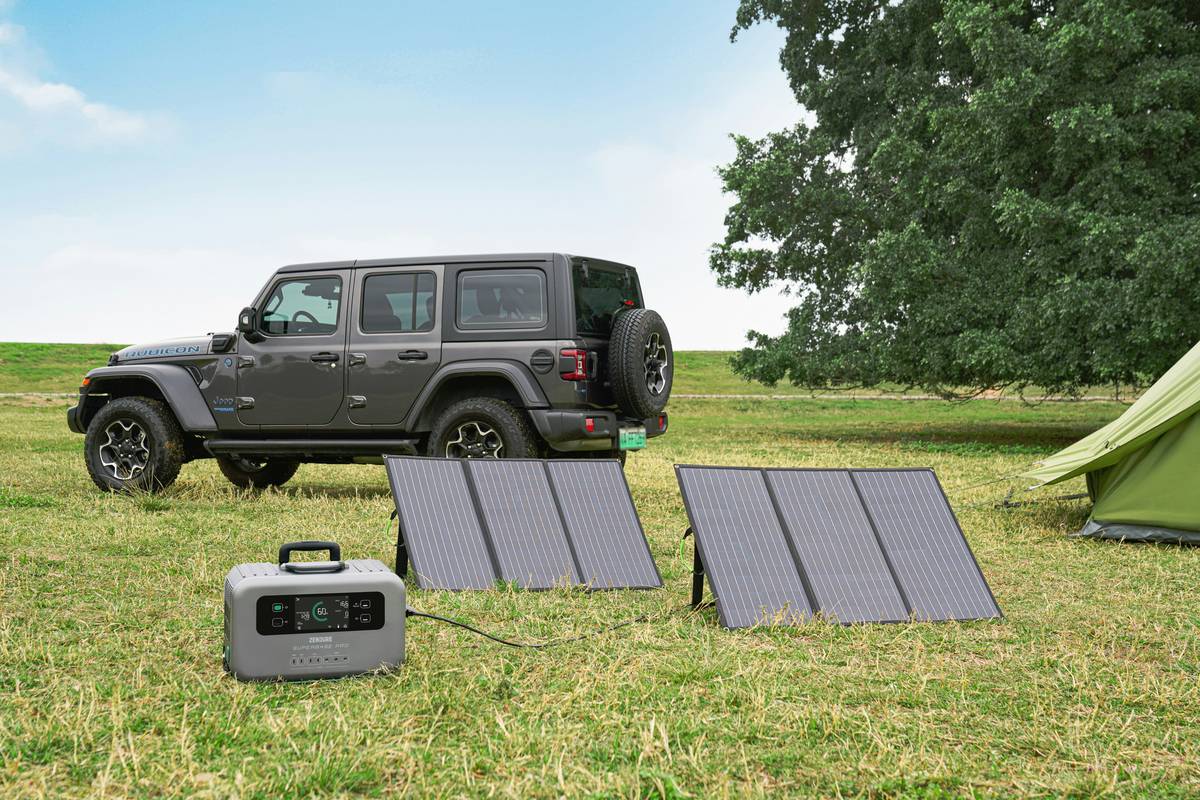
Yes—if your panel outputs at least 30W and your station accepts input under 18V. Use a regulated charge controller to avoid voltage spikes that fry batteries.
How long do flexible solar panels last camping regularly?
Quality ETFE-laminated panels last 3–5 years with weekly use. Avoid folding along cell lines—store loosely rolled to prevent microfractures.
Do I need a battery with flexible solar panels for camping?
Absolutely. Solar output fluctuates. A small 20,000mAh power bank smooths delivery and stores surplus for night use. Never connect devices directly to the panel.