Ever tried bolting a rigid solar panel to your kayak and watched it crack like an egg in a backpacking storm? Yeah, we’ve all been there. Traditional panels might power your home, but they’re about as flexible as a brick wall—literally.
If you’re eyeing portable, lightweight, and truly adaptable solar energy—but don’t know where to start—you’re in the right place. In this post, I’ll unpack 10 real-world flexible solar panel uses that go far beyond the rooftop. Whether you’re off-grid camping, running a tiny home, or retrofitting a vintage camper van, these applications blend innovation with practicality.
You’ll learn:
- Why flexible panels outperform rigid ones in mobile or curved setups
- Which use cases actually deliver ROI (and which are pure hype)
- Mistakes even seasoned DIYers make when installing them
- Proven examples from marine, RV, and emergency response fields
Table of Contents
- Why Flexible Solar Panels Matter
- Step-by-Step Guide to Choosing the Right Use Case
- Top 5 Best Practices for Maximizing Output
- Real-World Case Studies That Work
- Flexible Solar Panel FAQs
Key Takeaways
- Flexible solar panels weigh up to 70% less than glass-based alternatives and conform to curved surfaces.
- Best uses include RVs, boats, backpacking gear, disaster relief kits, and temporary structures.
- Avoid mounting on highly abrasive surfaces—they need protective backing.
- Efficiency ranges 15–23%, slightly lower than rigid monocrystalline panels but improving fast.
- Always pair with an MPPT charge controller for optimal energy harvest.
Why Should You Care About Flexible Solar Panel Uses?
Let’s be honest: rigid solar panels revolutionized residential energy—but they’re not built for motion, irregular shapes, or weight-sensitive setups. Enter flexible solar panels: thin-film or mono PERC cells laminated between ETFE (ethylene tetrafluoroethylene) and polymer layers. They bend up to 30 degrees without cracking and weigh as little as 2–4 lbs per 100W panel.
I learned this the hard way during a month-long Baja expedition. My rigid briefcase panel shattered on Day 3 when my roof rack vibrated over washboard roads. Switched to a 120W flexible Renogy panel taped (yes, taped!) to my van roof—and it powered my fridge, lights, and drone battery for weeks. No bolts, no frame, just sunlight and silicone adhesive.
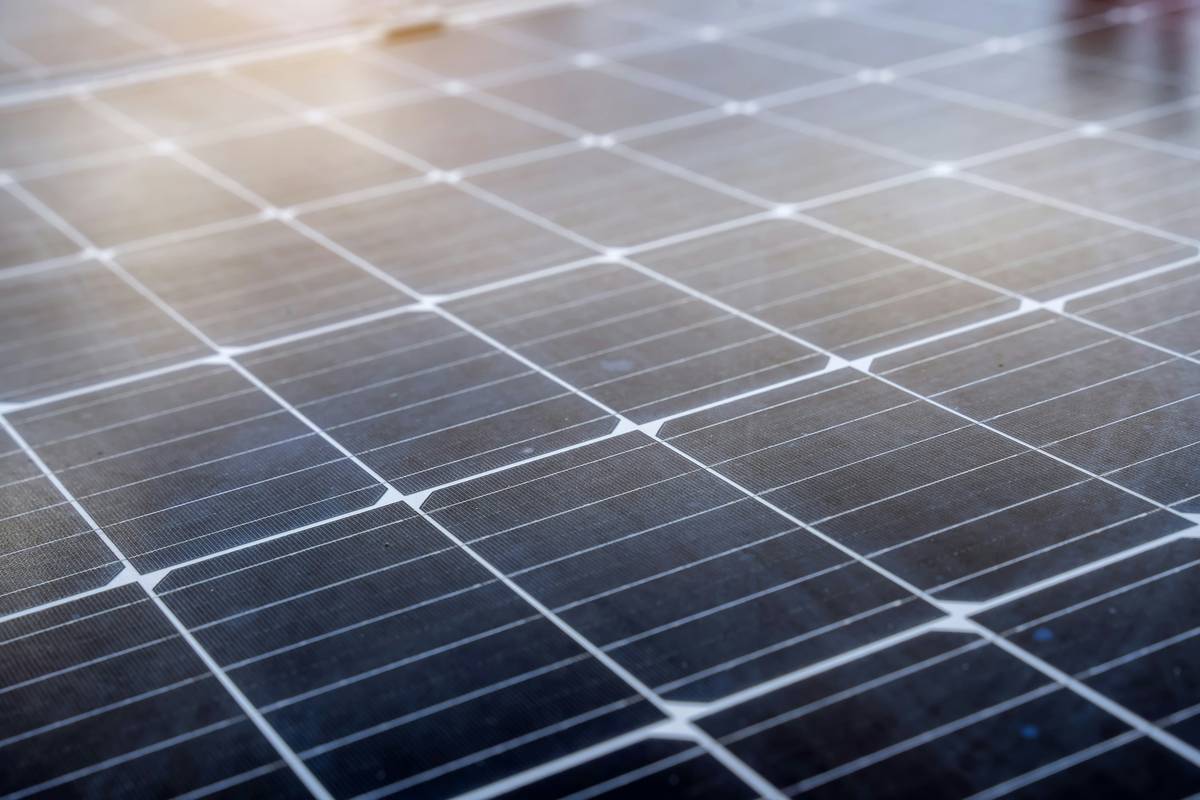
According to the National Renewable Energy Laboratory (NREL), flexible photovoltaics now achieve lab efficiencies nearing 23%—closing the gap with traditional silicon. And while they cost ~20% more per watt upfront, their versatility saves installation time, structural reinforcement costs, and replacement headaches.
How Do You Pick the *Right* Flexible Solar Panel Use?
Step 1: Ask—Is the Surface Curved or Moving?
If yes, flexible wins. Rigid panels can’t handle dynamic stress. Boats heave. RVs bounce. Tents flex in wind. Only flexible PV tolerates this.
Step 2: Calculate Your Daily Watt-Hour Needs
Example: A 12V fridge draws ~30Ah/day = 360Wh. Add 20% buffer → 432Wh. At 5 peak sun hours, you need ~87W minimum. Round up to a 100W flexible panel.
Step 3: Check Mounting Options
- Adhesive-backed? Great for vans, but clean surface with isopropyl alcohol first.
- Grommet-mounted? Ideal for sails or tarps—use UV-resistant zip ties.
- Frameless? Must avoid direct foot traffic or sharp objects.
Step 4: Pair with the Right Electronics
Never connect directly to a battery. Use an MPPT charge controller (like Victron SmartSolar)—it squeezes 15–30% more power from variable light conditions than PWM controllers.
Step 5: Test Before Committing
Borrow or rent before buying. I once installed a cheap “flexible” panel that delaminated after one rainstorm. Lesson: Stick with brands like Eco-Worthy, Renogy, or SunPower Maxeon (yes, they make flexible variants).
What Are the Top Best Practices for Flexible Solar Panel Uses?
- Keep Them Clean—but Gentle: Dust cuts output by 15–25%. Wipe with microfiber + water. No brushes—they scratch ETFE coating.
- Avoid Partial Shading: Even 10% shade can slash output by 50%. Position away from antennas, masts, or vent pipes.
- Add a Protective Layer for High-Wear Zones: On boats or trailers, apply 3M VHB tape underneath or use a clear polycarbonate shield.
- Tilt When Stationary: Lay flat for travel, but prop at 30–45° angle when parked for max irradiance.
- Monitor Voltage Daily: Use a Bluetooth-enabled controller app. Sudden drops often mean micro-cracks or moisture ingress.
Do Flexible Solar Panel Uses Actually Work in the Real World?
Case 1: Off-Grid Marine Power – Catalina 30 Sailboat
Captain Lena retrofitted two 130W flexible panels on her bimini top. Total cost: $850. Result: Powers navigation, VHF radio, and LED cabin lights for 7-day coastal trips—zero generator runtime. “It bends with the canvas,” she says. “Rigid would’ve torn the fabric.”
Case 2: Disaster Relief in Puerto Rico (2023)
After Hurricane Lee, NGOs deployed rollable flexible solar mats (by Solight Design) to clinics. Lightweight, packable, and deployable in minutes—critical when every pound matters in helicopter drops.
Case 3: Tiny Home on Wheels – Oregon Couple
They mounted 400W of flexible panels on their curved Airstream roof. Combined with LiFePO4 batteries, they run AC mini-splits in summer. “No drilling, no leaks,” says DIYer Mark. “Just peel, stick, and forget.”
Flexible Solar Panel Uses: FAQs
Are flexible solar panels worth it?
Yes—if your use case involves weight limits, curves, portability, or frequent relocation. For fixed rooftops, rigid still wins on $/watt.
How long do flexible solar panels last?
Most come with 5–10 year warranties, but field data shows 10–15 years with proper care. Degradation is ~0.8%/year vs. 0.5% for rigid.
Can you walk on flexible solar panels?
Absolutely not. Even “walkable” versions (like some military-grade) require special coatings. Standard consumer panels crack under foot pressure.
Do they work in cloudy weather?
Yes—just like rigid panels. Thin-film variants actually perform slightly better in diffuse light, though most consumer flexibles use monocrystalline cells.
What’s the biggest mistake people make?
Misjudging shading and skipping the MPPT controller. One shadow = lost watts. Cheap electronics = wasted potential.
Final Thoughts
Flexible solar panel uses aren’t just a niche gimmick—they’re a legit solution for anyone who needs power where rigidity fails. From kayaks to crisis zones, their adaptability unlocks solar energy in places we once thought impossible.
But remember: they’re not magic. Respect their limits (no walking, no abrasion), pair them wisely, and always calculate your actual load. Do that, and you’ll harness sunlight like a pro—with none of the bulk.
Optimist You: “Go power your adventure!”
Grumpy You: “Fine… but only if I get to nap in the shade *under* the panel.”
Terrible Tip Disclaimer: “Just duct-tape it and hope”—nope. UV degrades standard tape in weeks. Use marine-grade adhesives or mechanical grommets.
Rant Section: Why do brands still market “flexible” panels that are barely bendable? If it cracks at 10°, it’s semi-flexible at best. Demand real specs: bend radius, lamination type, and backing material.
Easter Egg: Like MSN Messenger logging back in after dial-up—your flexible panel quietly reconnects you to the grid… of life. ☀️